Cows can sense earthquakes, birds can signal approaching locust swarms. Every day, German behavioral biologist Martin Wikelski listens to around 25,000 animals - trying to understand what they are telling us. A glimpse into the mysterious world of animal communication.
“The perhaps greatest breakthrough in modern human history is the realization that the laws governing the living world and nature are just as strict (and consequential) as those governing the non-living world and physics—and that we must obey both. Indigenous cultures have held this insight since ancient times.”
Quote from “Internet der Tiere. Was wir von der Schwarmintelligenz des Lebens lernen können”, Piper Verlag, Munich 2024, pp. 241/242.
Elisa Promitzer: What is the “Internet of Animals”?
Martin Wikelski: It is an invisible network that connects animals worldwide through digital technologies and enables us to observe and understand their movements and behavior from a distance.
Bringing Erich Kästner’s children’s book “The Animals’ Conference“ to life?
As utopian as the book’s concept may sound—that the representatives of all the major animals convene an assembly to help tackle the world’s problems—it describes our goal very well. We aim to use modern technology to make an online parliamentary assembly of animals from all over the world possible. Our global system ICARUS lets us observe animals’ behavior and listen to them almost in real time. The “Internet of Animals” is still in its infancy, but in the long term we want to tap into the collective knowledge that animals have acquired in the course of their evolution—it gives us insight into the ancient wisdom of nature.
The myth of Icarus tells the story of a man who tried to fly with wings made of feathers and wax. He flew so high that the sun melted the wax holding his wings together, upon which he fell into the sea and died. Your project is also named ICARUS, and while it may stand for “International Cooperation for Animal Research Using Space,” the idea does seem similarly daring at first glance.
NASA thought so too at first and was skeptical about our project. It took quite a bit of convincing. But thanks to our engineers, we’ve since been able to launch ICARUS into space with our own cube satellites.
The network behind the “Internet of Animals” reaches all the way into space. For a long time, reception ran through a Russian antenna. After the start of the war in Ukraine, the cooperation ended, and since late 2025 ICARUS has had its own antenna.
Is personal communication between humans and animals possible?
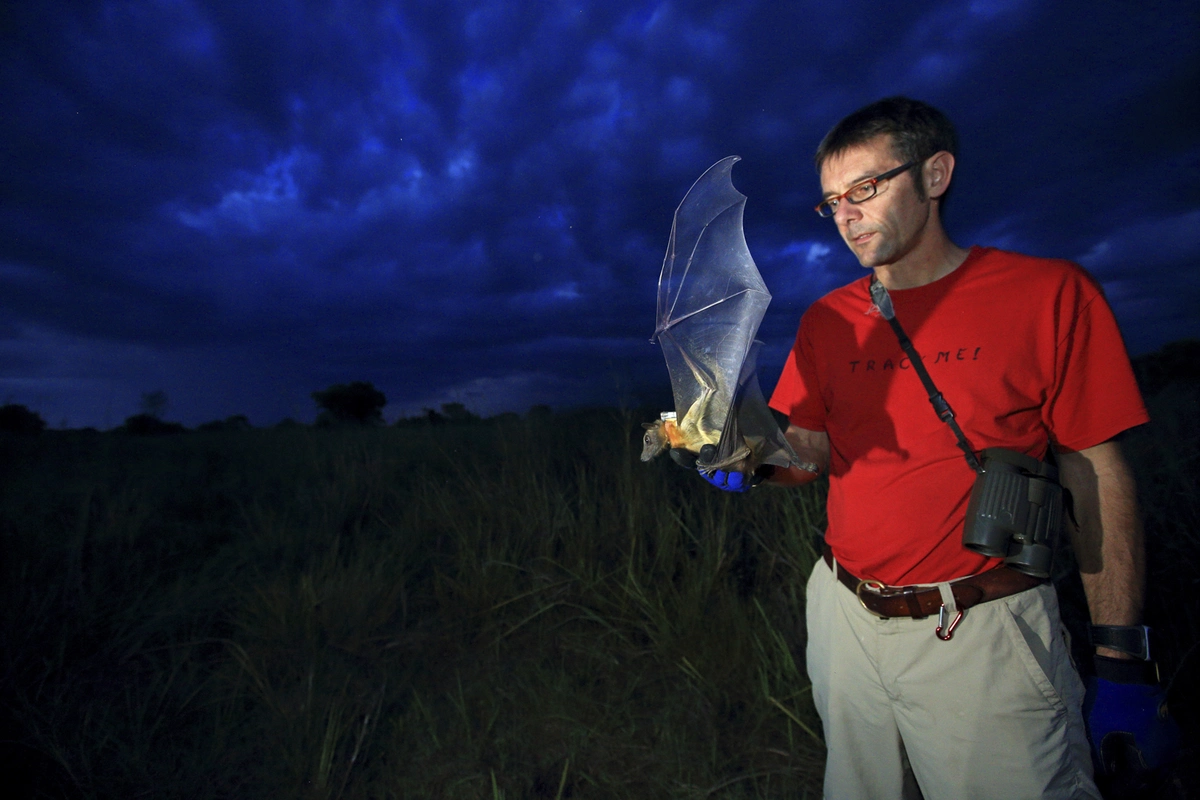
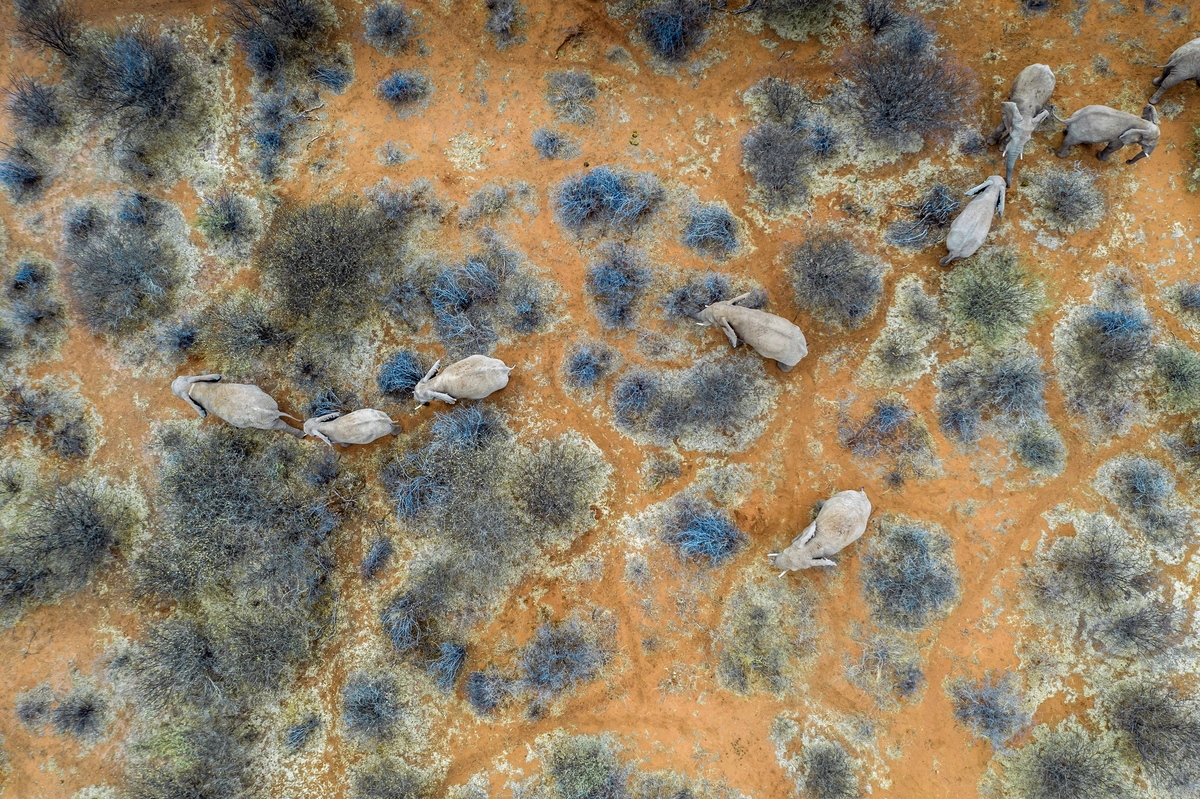
The radio waves from their transmitters give the animals a voice. Around the world, 1,400 animal species equipped with mini transmitters feed data into a global database via satellites or terrestrial radio networks. Our team can observe 200 animal species and “eavesdrop” on 25,000 animals every day. We can observe how land birds manage to cross thousands of kilometers of ocean or how elephants may be able to predict tsunamis through their movement patterns, for example. Creating connections between domestic and wild animals provides us with emergent new information—we are tapping into the animals’ sixth sense.
Songbird operettas and discussions among rhinos—do you really record audio?
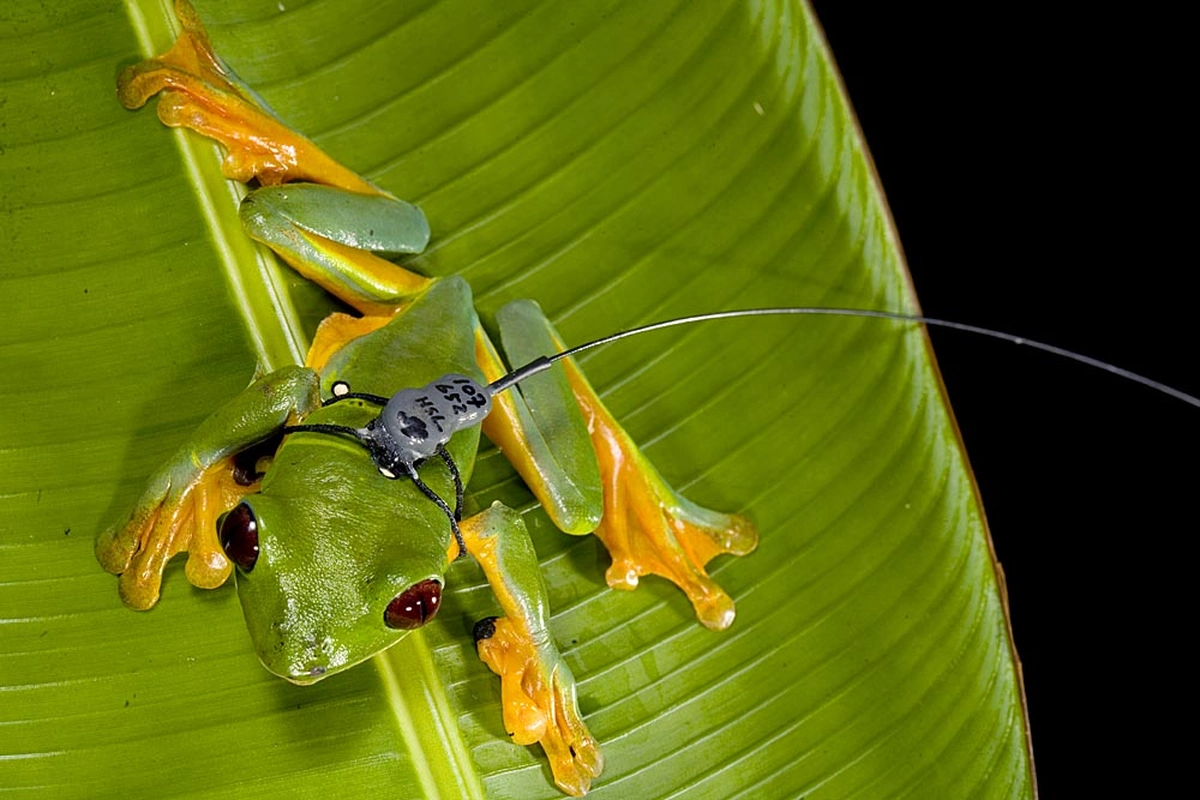
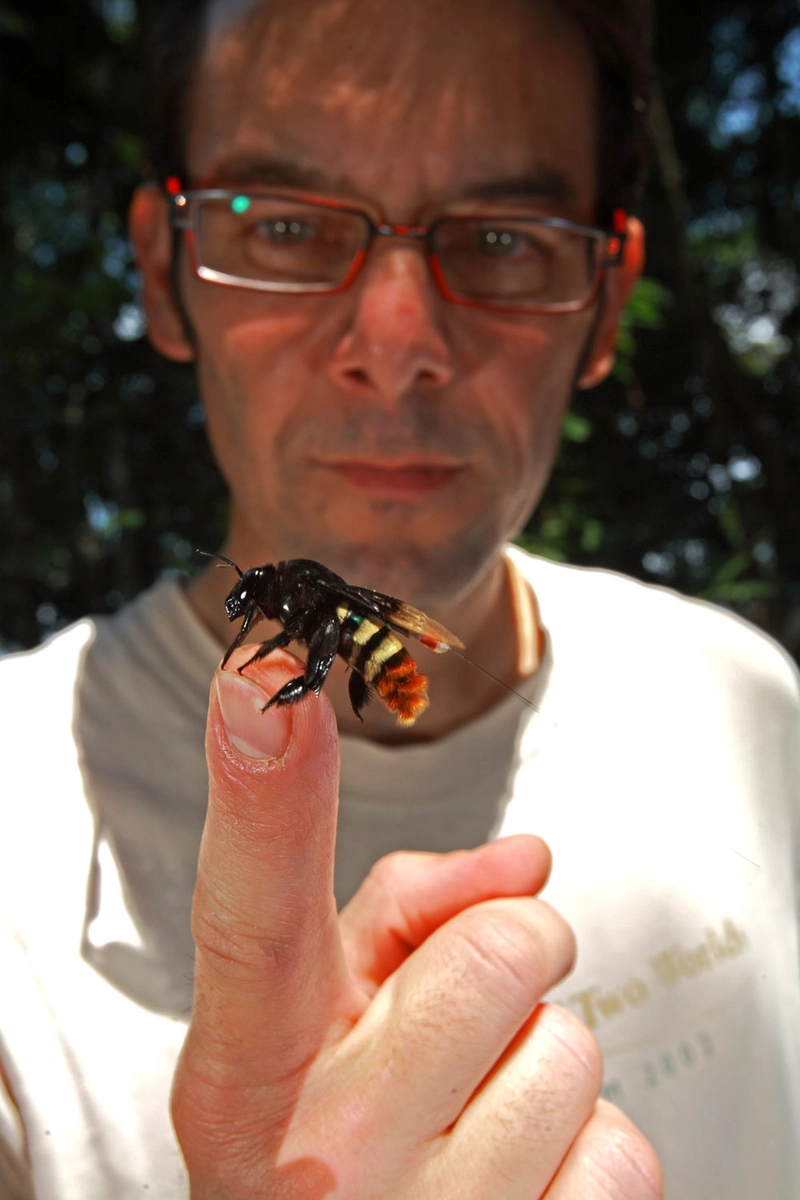
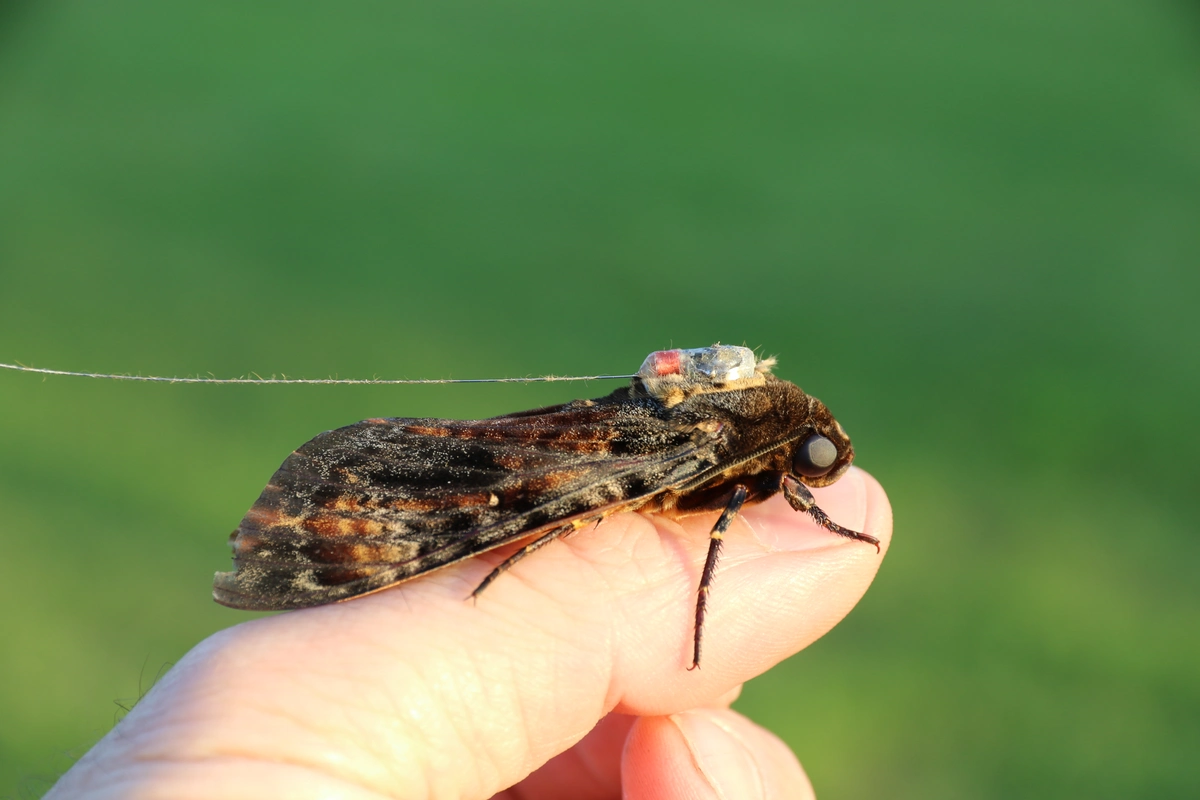
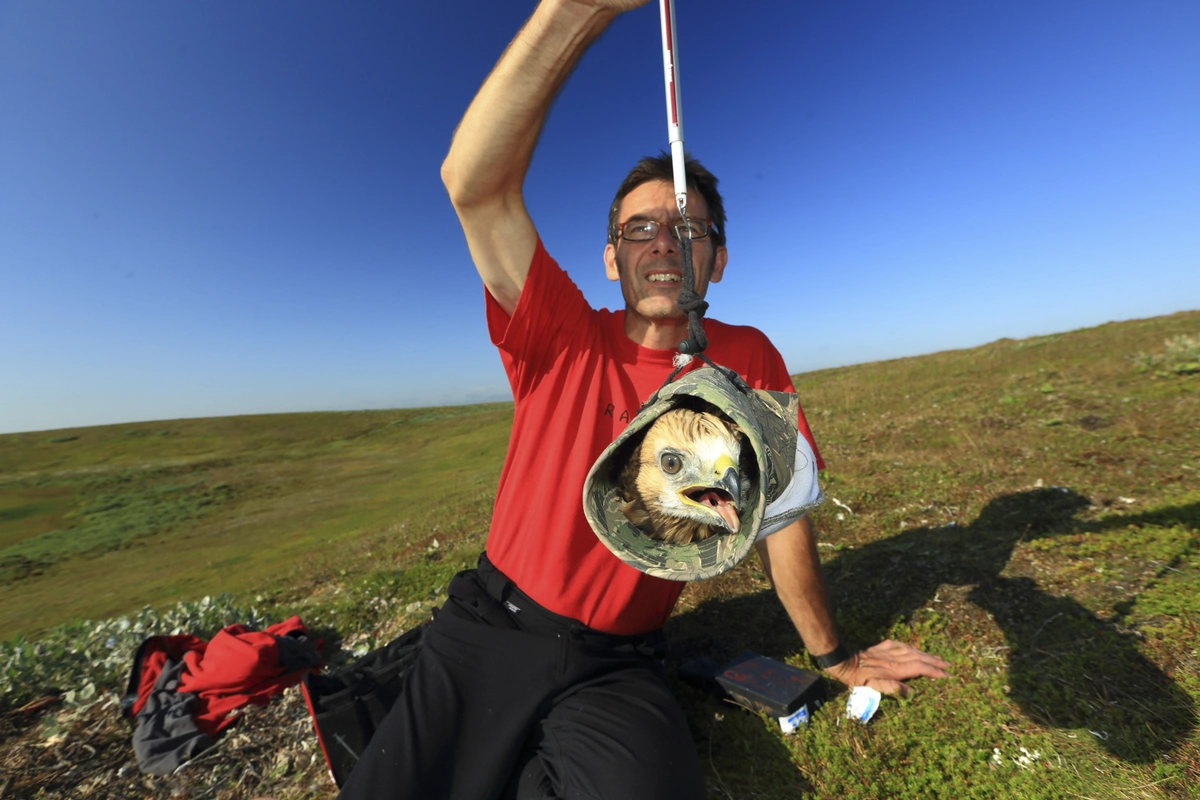
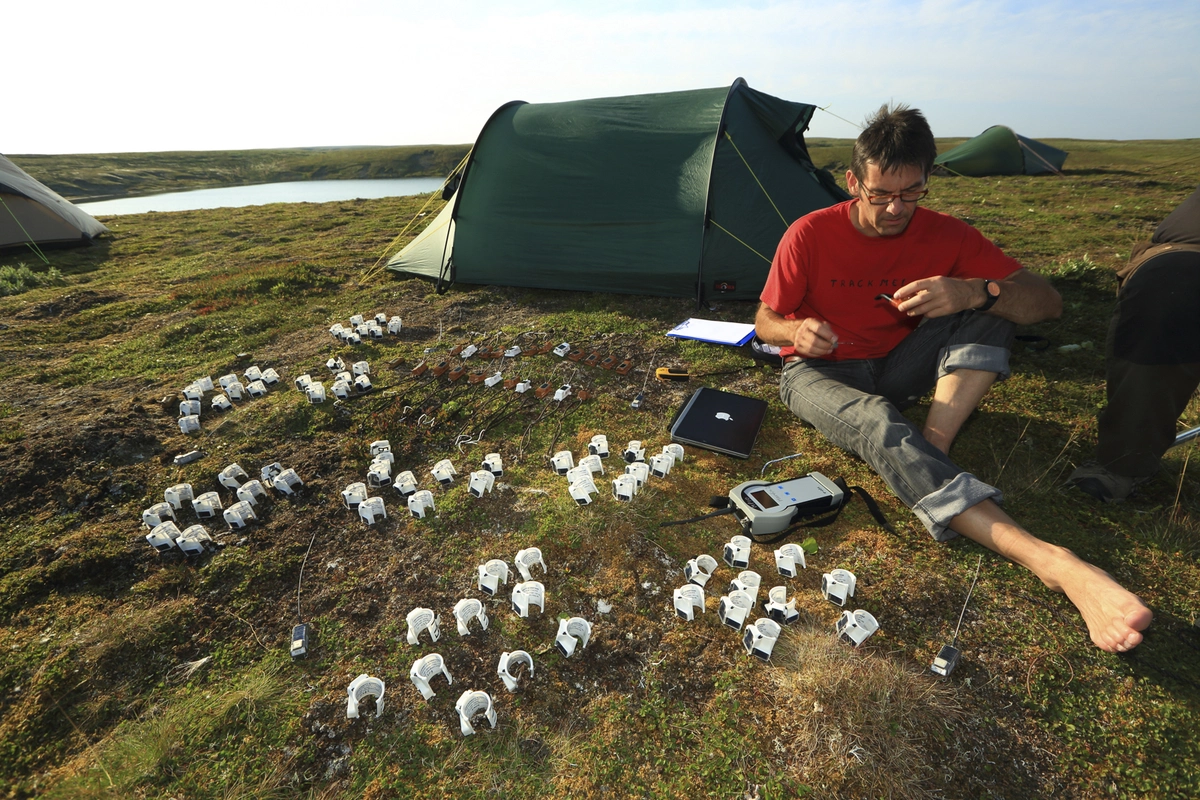
All of our animals are equipped with “wearables for wildlife.” Blackbirds wear something like a fitness tracker, kind of like little underpants, while other animals have mini transmitters on their backs. Besides data on their location and movement, these devices also collect information about an animal’s physical condition, such as their body temperature, their pulse, or their blood sugar and oxygen levels. Mini cameras and microphones reveal further details. The tags have to be attached in ways that don’t disturb the animals’ natural behavior. We even put transmitters on dragonflies and bees, which is tricky because they have to be very small and very light.
Should we let animals be our teachers?
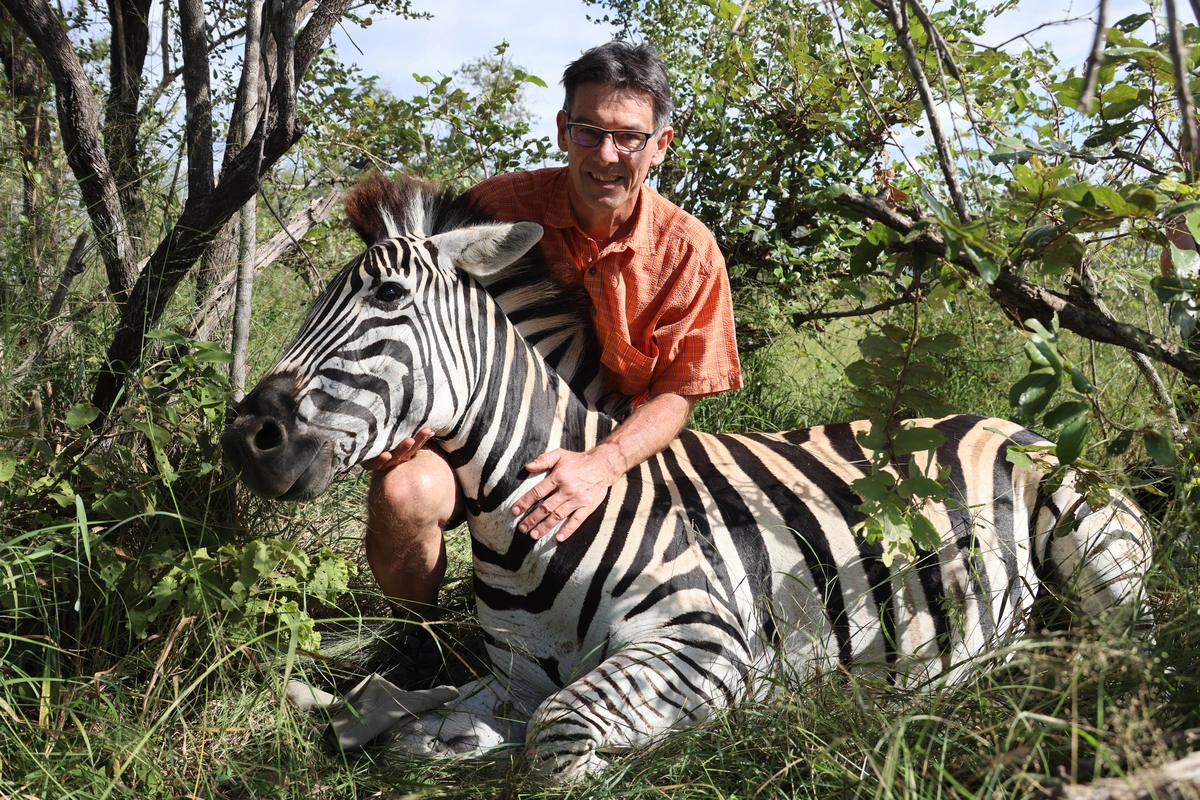
Animals are the Earth’s best observers, since their lives depend on predicting what will happen next. We have whole fleets of satellites observing the planet, but on Earth we still use guard and sniffer dogs because they are very effective. Animals also communicate with each other: If we get the same stress signal from zebras, giraffes, lions, impalas, and rhinos in a certain area of the African savannah, for example, we can assume that something is happening in their immediate vicinity. Often it’s a poacher out to shoot a rhino. We can essentially understand what the animals are telling us, can react and send a ranger out to them. Animals protect each other.
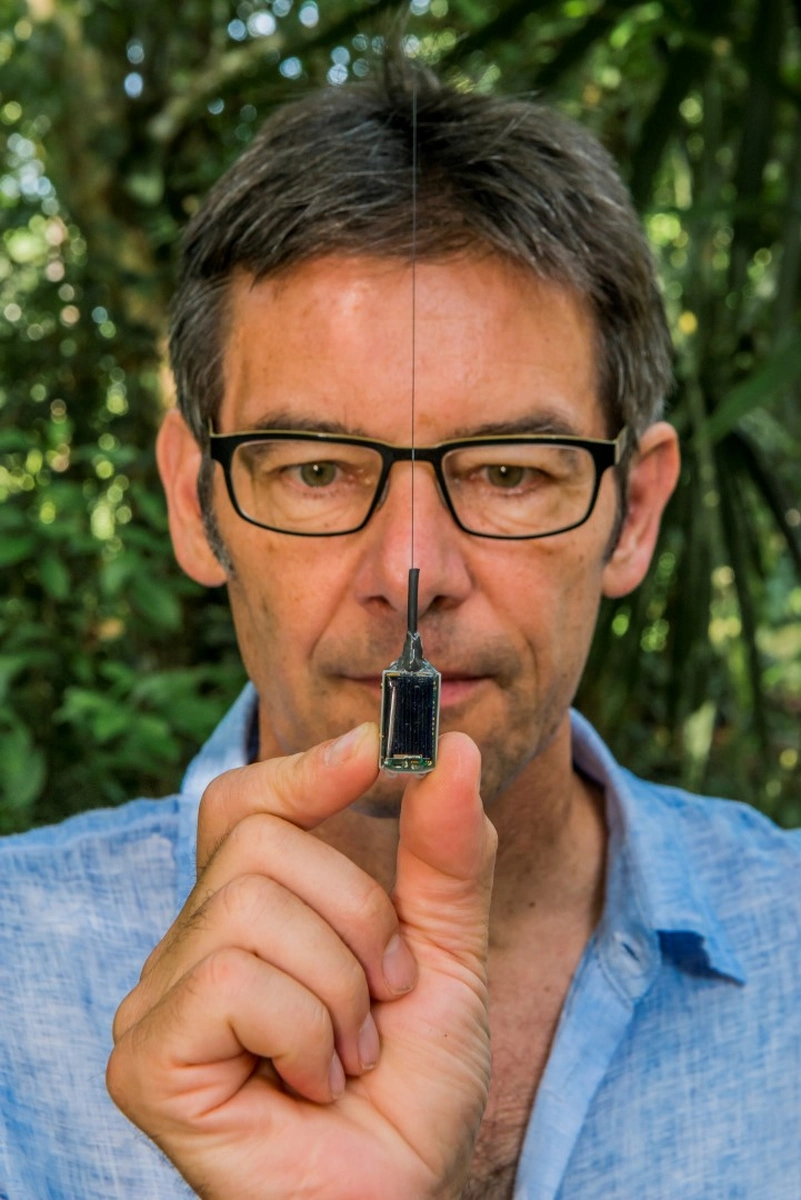
Depending on the animal, the transmitters look different: sometimes like a small fitness tracker, sometimes like a miniature backpack. The key is that the animals barely notice them. Not an easy task: this technology is even used on bees and dragonflies.
The communication between animals and humans doesn’t just help the animals...
... the data can also warn us when animals living in close proximity to humans or livestock develop certain diseases. This could help prevent future pandemics. Basically a global contagion warning system fed with data from tens of thousands of individual animals—that’s the future.
Animal’s sixth sense is a common feature of many children’s songs and fairy tales...
... because animals are more sensitive than man-made weather buoys. In 2004, an unbelievable 300,000 people died in Banda Aceh, Indonesia, as a result of a tsunami. On the nearby island of Simeuluë, however, children learn as early as kindergarten that when the water buffaloes start going crazy and the chickens start flying around, they have to drop everything and flee to the highlands. Only seven people died on that island.
How could this animal warning system change the future of our planet?
Birds could detect locust swarms crawling out of a seemingly dead desert floor. An early warning system like that could help us to take appropriate action. When vultures die next to the carcass of a rhinoceros that has been poisoned by poachers, it alerts us to a threat for hundreds of other members of the species. Pigeons could detect traces of gas in cities, birds could improve the accuracy of local weather forecasts by measuring wind speed and turbulence.
The transmitters send heart rate, body temperature, and movement data into space. Before that can happen, the devices first have to be attached - a task that often requires creativity and dexterity.
Tell me about Berta, the earthquake cow.
In 2016, there was an earthquake in central Italy. The next day, I drove to the area with a trunk full of transmitters to equip animals with our tags and use the aftershocks to test their early warning system. The Angeli family was interested and we were allowed to tag Berta, the most sensitive cow in the herd, along with other animals on their farm. Several days later there were further tremors and a new series of earthquakes began. The family reported that the animals had warned them in advance, which our data then confirmed. Hours before the main earthquake, terror and chaos broke out on the farm, the cows froze, which in turn caused extreme anxiety among the dogs.
The animals had communicated with each other.
For almost an hour, the activity level among all of the animals increased by around fifty percent. Of course, this was just one farm, so it wasn’t an entirely conclusive scientific study, but the animals had shown massive restlessness before seven of the eight aftershocks. With the next generation of ICARUS trackers, with our “MoveApps” system, an automatic data analysis tool, it will be possible in the future for animals to notify anyone digitally in the event of imminent danger.
Translation errors aren’t a concern?
Of course it’s important to remember that animals might also behave abnormally for other reasons. It will still take a lot of research and time, but with every chirp from a bird we understand the animals a little bit better.
In 2016, a cow named Berta in Italy became an earthquake expert - hours before an aftershock, she and her herd were already showing signs of agitation.
So does every animal need its own mobile phone contract?
We pay fees of about 15,000 euros per quarter for our storks alone. Each animal basically has its own passport, roaming contract, and a Dropbox account where its life story is written down. There’s Hansi the stork, for example, who didn’t fly south for the winter and let a Bavarian family spoil him with minced liver and foot baths instead. He’s a good example of animals being more inventive than we could ever have imagined.
Where does your love of animals come from?
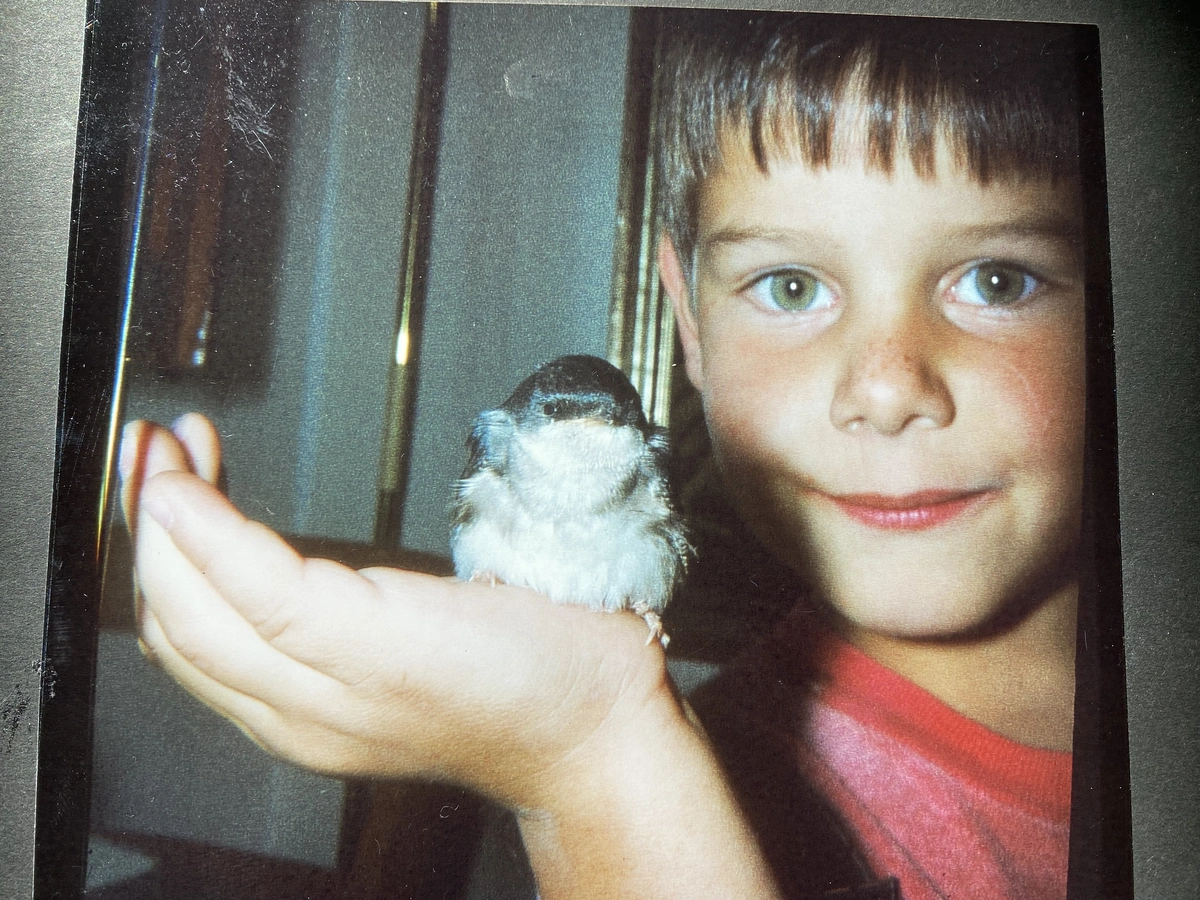
Growing up on a farm, I learned how to relate to animals from my grandfather. I quickly realized that insults like “stupid cow” are factually wrong—they’re actually very clever.
How do you envision the future of the “Internet of Animals”?
The year is 2055, my granddaughters are watching TV, the news is followed by “Life Live“ — the global weather forecast from the animal perspective. A report might go something like this: “White storks have once again discovered a swarm of desert locusts in southwest Chad. Himalayan vultures warn of an approaching storm, Mount Everest expeditions are advised to remain at their base camp.”
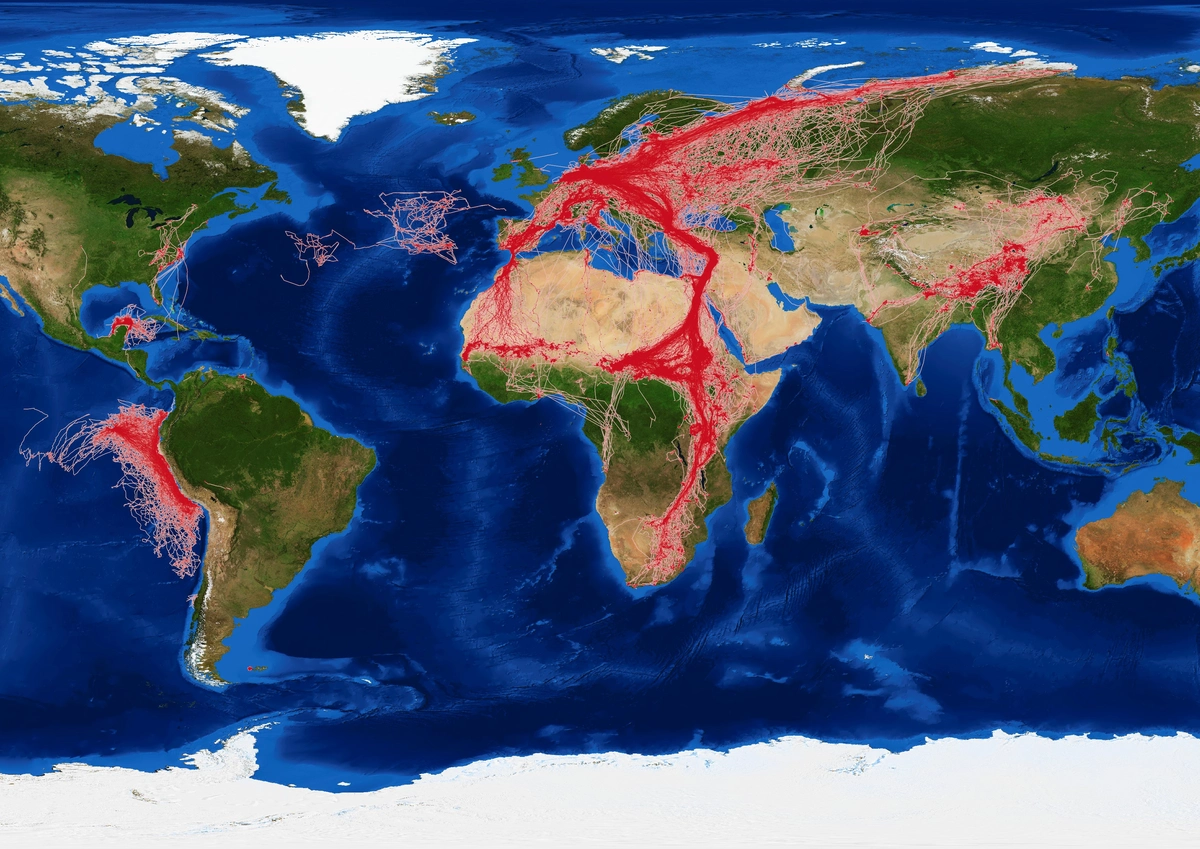
The world map becomes a travel diary of the animal kingdom: red lines trace the routes of migrating animals around the globe. Wikelski has been a scientific Dr. Dolittle since childhood!
That sounds utopian ...
... a scientist’s work is never done. One of our current projects is trying to protect songbirds. The number of birds has declined by 30 percent over the past twenty years. The ICARUS team plans to observe 5,000 blackbirds and thrushes to find out how they manage to travel thousands of kilometers, where they live, and how they die. How do migratory birds cope with environmental challenges, how quickly do they react to climate change and urbanization?
Are you the Dr. Dolittle of science?
I know the Christian stories of St. Francis of Assisi, the patron saint of animals. He regarded them as his brothers, equal to humans, and is even said to have spoken to them: “My brother birds!” I am a scientist, of course we can’t talk to the animals, but we can listen to them and give them a voice.
What is the most important insight you have gained from your observations of animals?
Animals still see us as intruders who want to take over their territory. If we would truly listen to animals, we might be able to abandon the culturally ingrained belief that God has placed us above all other life forms as creation’s crowning glory. Our fate is linked to that of the animals all over the world. We are very close to being able to communicate with animals, and their messages could change our path into the future.
“I would like to be a Himalayan vulture in Bhutan.”
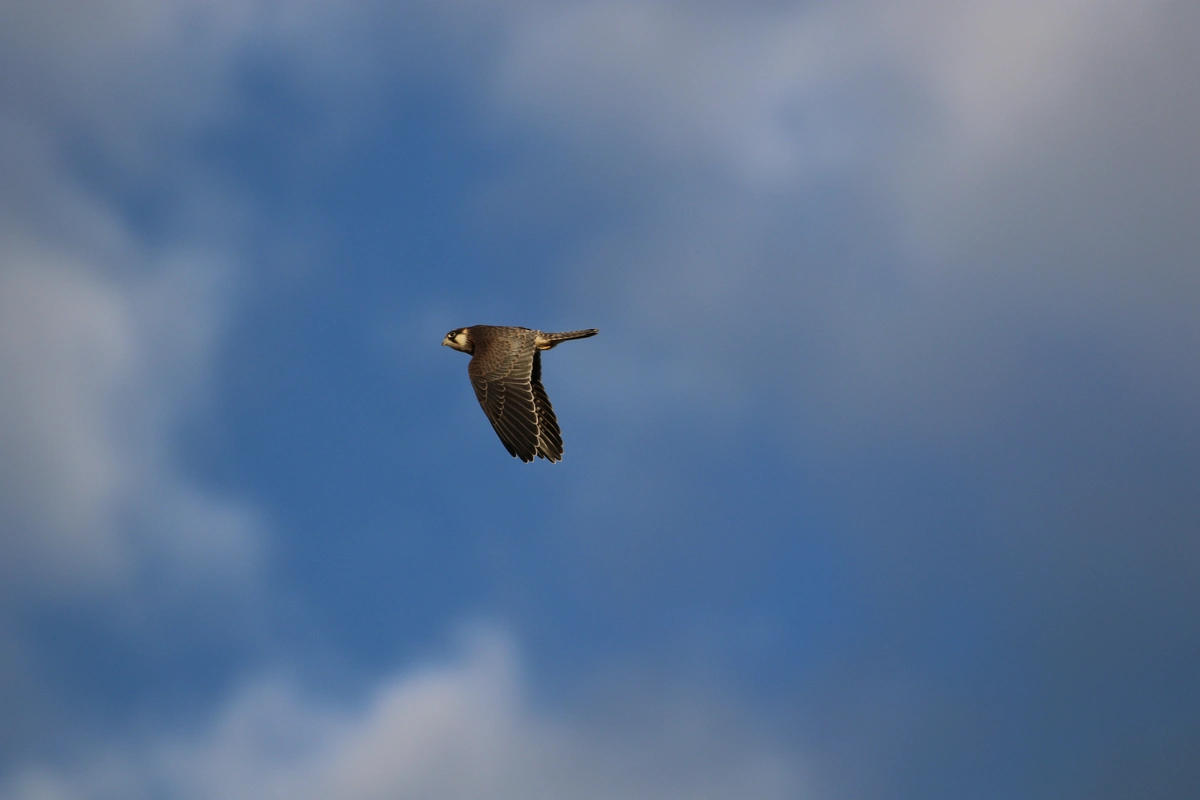
Birds navigate using thermals, magnetic fields, and wind currents. For Martin Wikelski, that’s reason enough to want to be one himself - at least for a day.
You’ve traveled all over the world to observe animals. What animal would you like to be for a day?
I would love to be a Himalayan vulture in Bhutan, then I could ride the updraft to 8,500 meters, take in the view over Mount Everest. Interestingly, Himalayan vultures aren’t averse to human flesh, even if that isn’t why I chose them (laughs).
“The more I learn about people, the more I like my dog,” to cite Mark Twain. Would you want to swap places with an animal?
I wouldn’t want to miss being human, even if I sometimes wish I could be as free as a bird ...
... free and filled with hope! I’d like to end our conversation with a quote from the poet Emily Dickinson: “Hope is the thing with feathers / That perches in the soul, / And sings the tune without the words, / And never stops at all.” Thank you very much for the interview!
Martin Wikelski, born in Munich in 1965, is a German behavioral biologist and ornithologist. He lives on Lake Constance and is Director of the Department of Animal Migration at the Max Planck Institute of Animal Behavior and Honorary Professor at the University of Konstanz. Wikelski researches global animal migrations using the ICARUS system and is working on the “Internet of Animals.” He has received numerous awards for his research.