Radingdorf in the Mühlviertel instead of Miami: here, Robert Reindl sells Maseratis, Ferraris, and Porsches all around the world – absurdly expensive dream cars that are at once beautiful, loud, and sexy.
A naked model reclines on the hood of an exotic sports car in black and white. Written beneath: “Toys for boys.” What we read on the pages of an open glossy magazine on the counter in the elegant showroom of “The Candyshop” might just as well glare from a large neon sign on the building. But there we only find “RR Motors.” “RR” stands for Robert Reindl, the boss and founder of the car dealership of the same name – and not in Vienna, but in the Mühlviertel region of Upper Austria, in a small hamlet called Radingdorf, not far from Freistadt.
Reindl has been dealing in the childhood dreams of countless men for almost 15 years, while living out his own: “I simply love cars and enjoy coming here every morning. It’s not my job, it’s my passion.” When we ask him to choose a car for a portrait by our photographer, he can’t make up his mind, torn between his favorites. But one thing is clear: either it’s a Porsche or a Ferrari. His heart beats for these brands, which also make up the majority of the 60 cars crammed into his three showrooms. “I sell cars that I like myself.” This clearly goes down well with his customers: in the last year, his showrooms have emptied three times; he and his team sold 200 sports cars, which is roughly one every other day. To whom? “To men. 95 percent of our customers are male. We guys just have a passion for cars.” Why is that? He can’t say himself.
His passion for cars has always been there. “My father picked me up from the hospital after I was born in a BMW Alpina. Even as a child, I loved reading car magazines. At twelve, I drove a moped, at 13 a tractor, and at 17 I got my driver’s license and soon thereafter my first car, an Audi A3.” It was only logical for him to complete a mechanic apprenticeship at BMW after school. “Then, I lived in Miami for six months. The Florida kids were already driving around in Bentleys and other luxury cars. That’s where I decided to become a sports car dealer. I bought a Rolls-Royce Corniche in the US, brought it to Austria, and immediately made my first profit.” At first, he also ran a repair shop but quickly realized that the real money was in sales. His well-groomed hands betray that he no longer works on the engines himself, and they have not touched oil in a long time. Reindl still draws on his technical expertise, however. As a dealer, he is legally required to provide a one-year warranty on used cars, and he has a good idea about the condition of a car, but even he can overlook something. “Once, I had to replace the entire engine of a Porsche as it broke down after 500 kilometers. Damage: 30,000 euros. That happens, but very rarely in my case – I look very closely at what I buy.”
16 cylinders and 1.000 hp
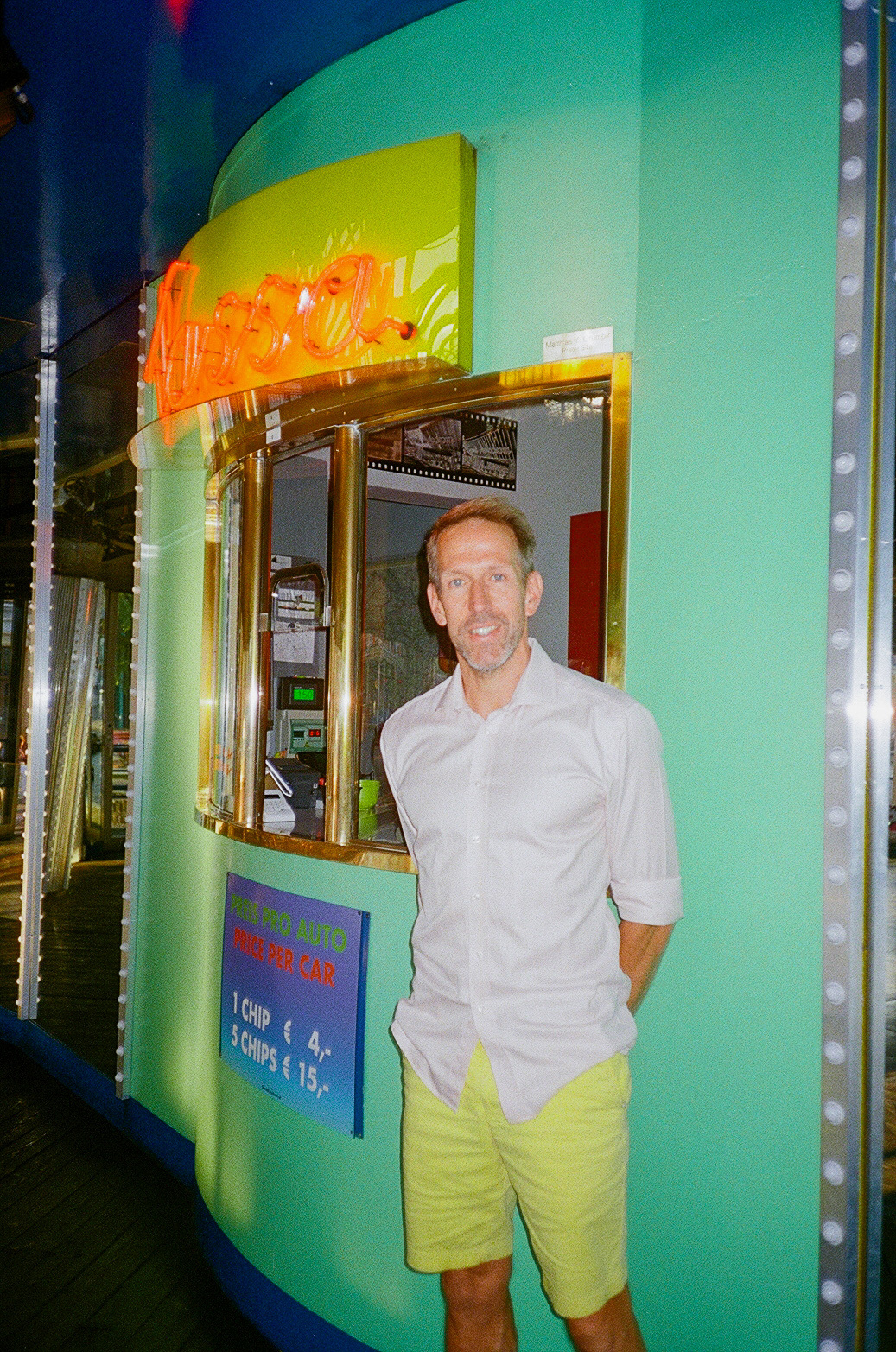
It’s pretty obvious that the whole dream started in Miami. His showroom used to belong to Harley Davidson Austria, and it still reeks of testosterone and the American Dream. Right next door is an American diner with a jukebox and 1950s decor. Now it also belongs to the company. Reindl wears shorts, has a few tattoos and one of those large, intricate men’s watches with lots of metal and technology. Miami Beach or Radingdorf in the Mühlviertel? For him, somewhere in between.
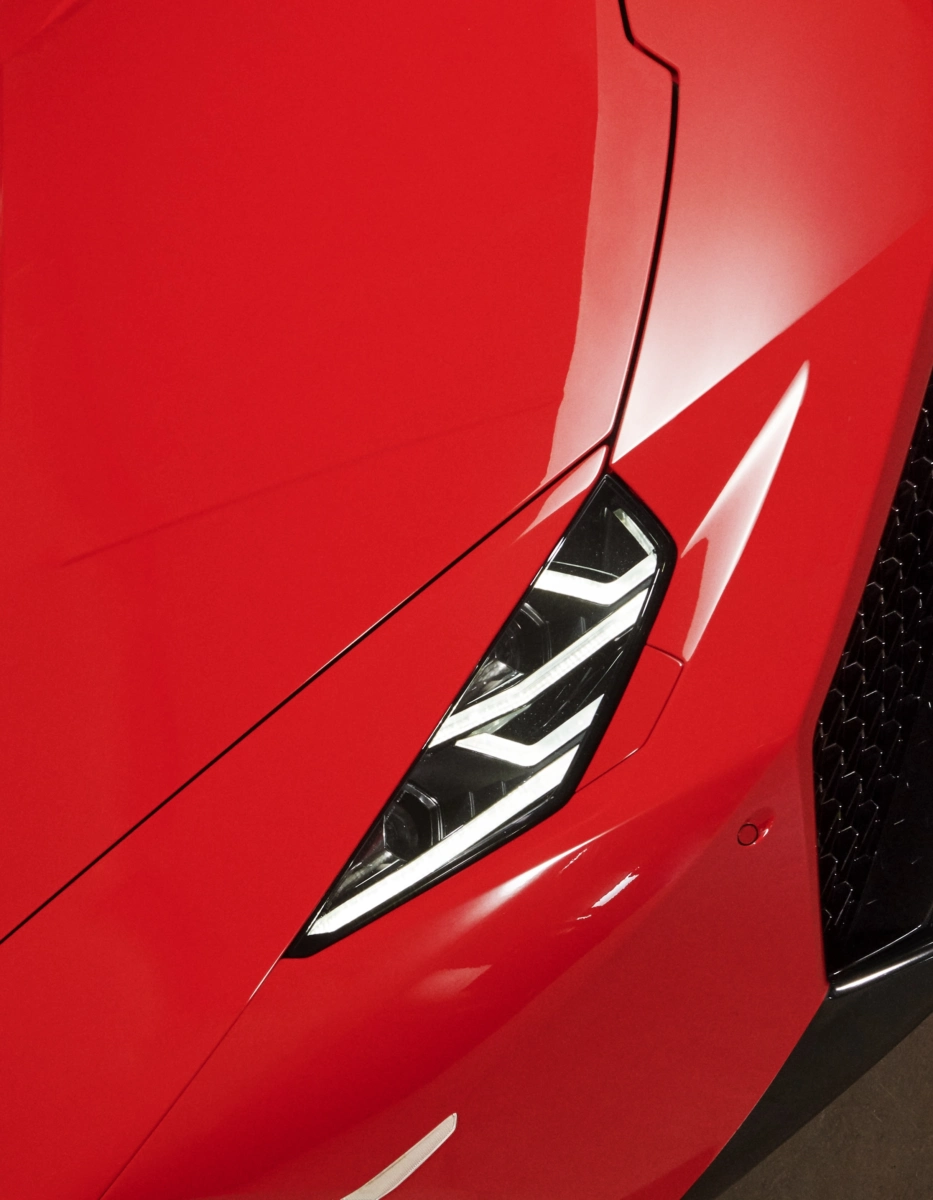
Robert Reindl guides us through his realm, introducing his treasures. First up: the Maserati Zagato Mostro, a bright red limited edition car. There are only five in the whole world. “It makes a hell of a noise, like a race car from the old days. But you can barely see a thing behind you when you drive it, so you have to pull out blind at some intersections.” That’s a lot of risk for a car that costs well over a million. Reindl built the two-story hall next to the showroom as an extension to accommodate cars totaling several million euros. For example, it is home to the very first Bugatti Veyron ever built. With 16 cylinders (normal cars have three or four) and 1000 hp (about ten times as that of an average car), it is an absolute high-flyer. Once, it was the fastest car in the world with a top speed of over 400 kilometers per hour.
Reindl does not advertise the Veyron and a few other particularly expensive cars on the internet. “I just let a few connoisseurs know that I’ve got one, and then the news spreads by itself in the right circles.” Now he is a player in the small, exclusive car scene. Reindl sells most of his cars via his online shop but also offers his vehicles on the marketplace portal “willhaben.” Besides second-hand Opel Corsa models for 1000 euros, there is expensive candy like a McLaren Elva for a whopping 2.5 million euros. It’s the most expensive jewel in his dealership.
Can and should such precious cars even be driven on public roads? “It requires a bit of experience, but sure, why not? On a remote side road, you can drive a little faster.” He’s only had trouble with the police once in all these years, when an undercover cop filmed him from behind in an unmarked Volkswagen. “But he was kind enough to split the fines into several tickets, so I didn’t have to turn in my driver’s license.” Do cops like fast cars too? Some sure do: “A local officer owns a Ferrari and often stops by after work,” says Reindl.
The founder’s private car, a dark blue Porsche from the 1990s, is also parked in the hall. “It’s not the top model, but it still has that unmistakable broad back end.” He proudly shows us the very distinctive, round tail of his 911.
Unnecessary? Definitely. Cool? In an odd way, yes.

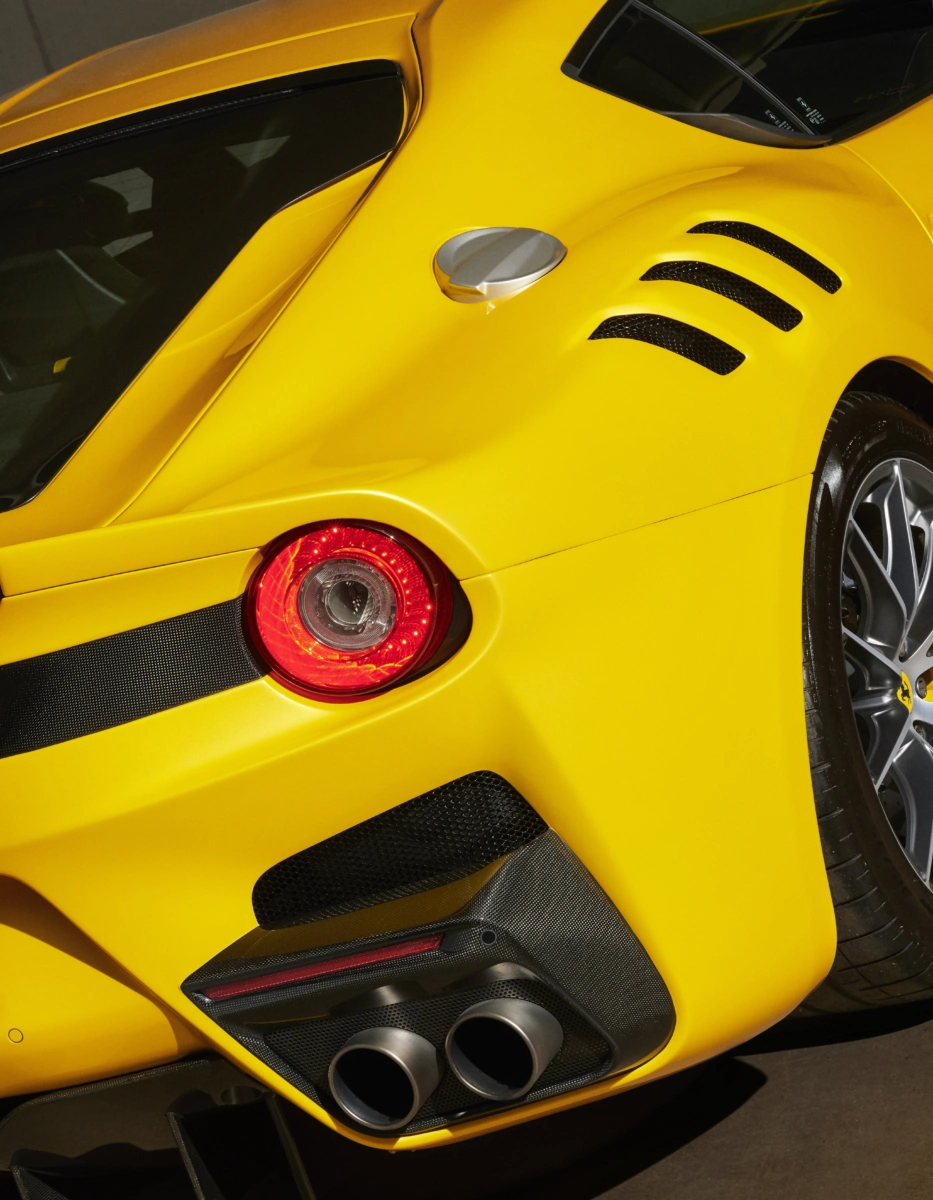
In the end, he chooses a yellow Ferrari F12tdf for the photo shoot. He drives it a few meters into the hall, revs it up, the engine snarls wildly, again and again. Then back in the garage. Vroom, vroom, it stinks, but the twelve cylinders keep roaring. Unnecessary? Definitely. Cool? In an odd way, yes.
We continue chatting in his office, and he tells me more about his customers. “We sell worldwide – to Brazil, Kuwait, Mexico. Most people buy a car without even seeing it in person first.” Reindl also works on commission and searches for used cars with a specific color or special features. Nowadays, the right cars find him. Anyone in Austria who wants to sell a unique Porsche is highly likely to come to the Candyshop. He buys most of his cars in Austria because of the standardized consumption tax. It is a once-off tax levied when a vehicle is registered in the country for the first time. And it varies depending on fuel consumption, which can quickly run into tens of thousands for a Porsche. So importing is rarely worthwhile. Are there really that many Porsches and Ferraris in Austria? “Oh yes, we’re a rich country.”
Not all customers are ultra-rich: “We also cater to ‘normal’ family men who have just paid off their house and saved up a little money. They want to finally fulfill their dream of owning a Porsche.” His cheapest car is a Maserati for 37,000 euros, but even that one packs a punch: “The engine is from Ferrari and sounds amazing. It’s a fantastic car.” In higher price segments, however, it tends to be the eccentric uberwealthy. One client collects Mercedes cars from the Nazi era and takes a Ferrari from Reindl to boot, while another bought a Lamborghini and never showed to pick it up. “We wrote to him several times, but he just didn’t want the car.” He probably earned the 20,000 euro down payment in a single afternoon.
A Playboy magazine lies on the table in the office, left behind by a customer. Cool cars, naked models, guys hanging out together. Well, not quite: Reindl’s wife also works here, as does his brother. His father drops by while we are there and drops off a box of peaches. “RR Motors” is a family business, but its products are not always family-friendly.
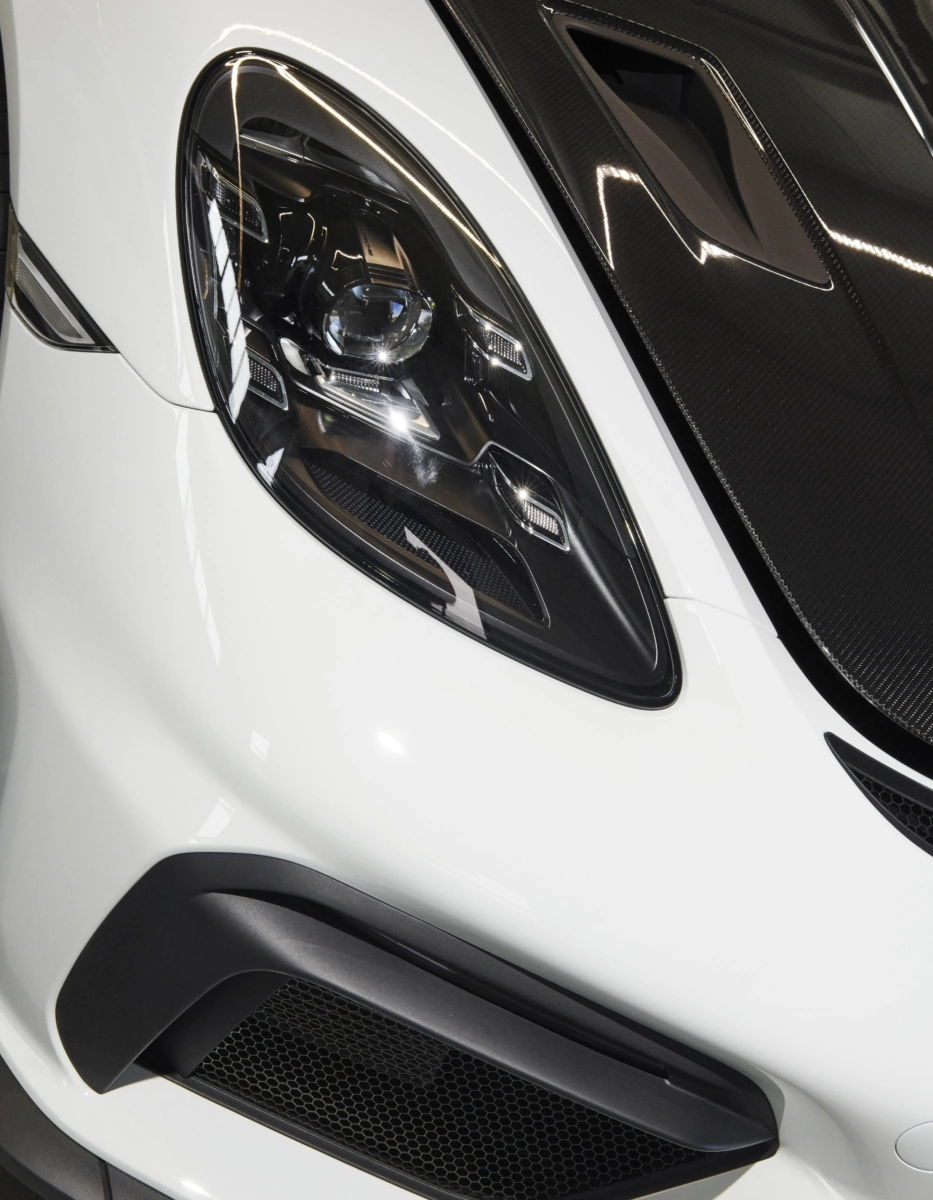
Outside, three teenagers whiz past on noisy mopeds – tomorrow’s customers? They’ve already got the gasoline in their blood. A short time later, it’s us who are zipping past the fields, making just as much noise: Reindl treats us to a ride in one of his most extreme Porsches, a GT3 RS. RS stands for “Rennsport” – Racing Sport, and that’s no exaggeration. The car has no navigation system, not even air conditioning. Instead, there’s a huge rear wing, bright red wheels, and a rough, rasping sound. Reindl puts the pedal to the metal on the winding country road, the engine revving higher and higher, right behind my head. I’m sitting low, almost on the asphalt, and can’t help but to grin and holler with glee. So that’s one of the reasons why people pay hundreds of thousands: for this elementary, raw fun. And the childhood dream. And the status symbol. And the penis extension. “Toys for boys,” in other words.
As we drive through Mauthausen on our way home, a moment of reflection mingles with the experiences of the day. The history of this place stands in stark contrast to what we encountered: luxury, loudness, a lust for life. And yet, perhaps this very lust is also a counterpoint to the gravity of the past. In the spirit of Robert Reindl: “Who said it makes sense?”
This article was published in the print edition The Car Issue #8. Order your copy here!