“Everything breathes, just at a different rhythm.”
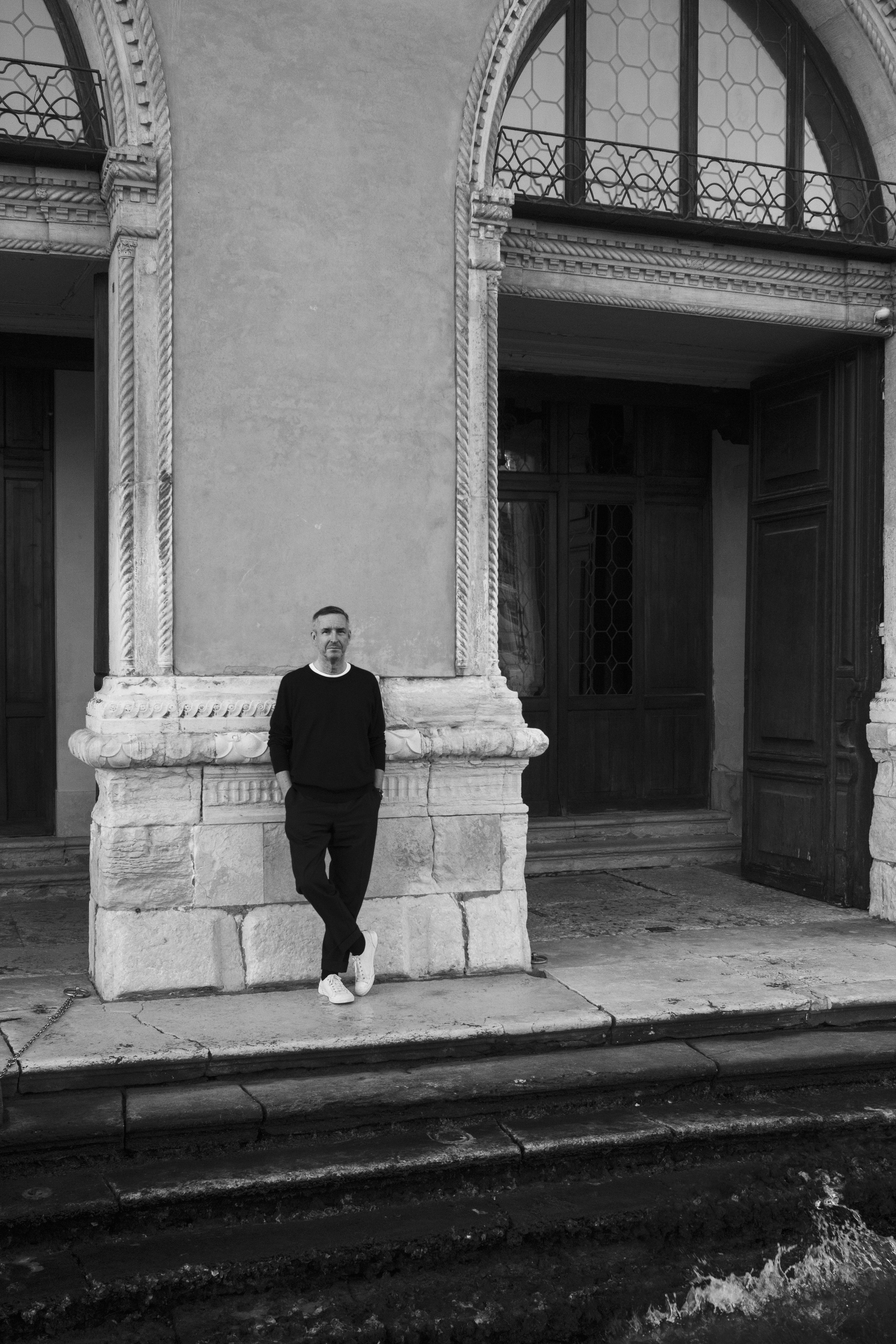
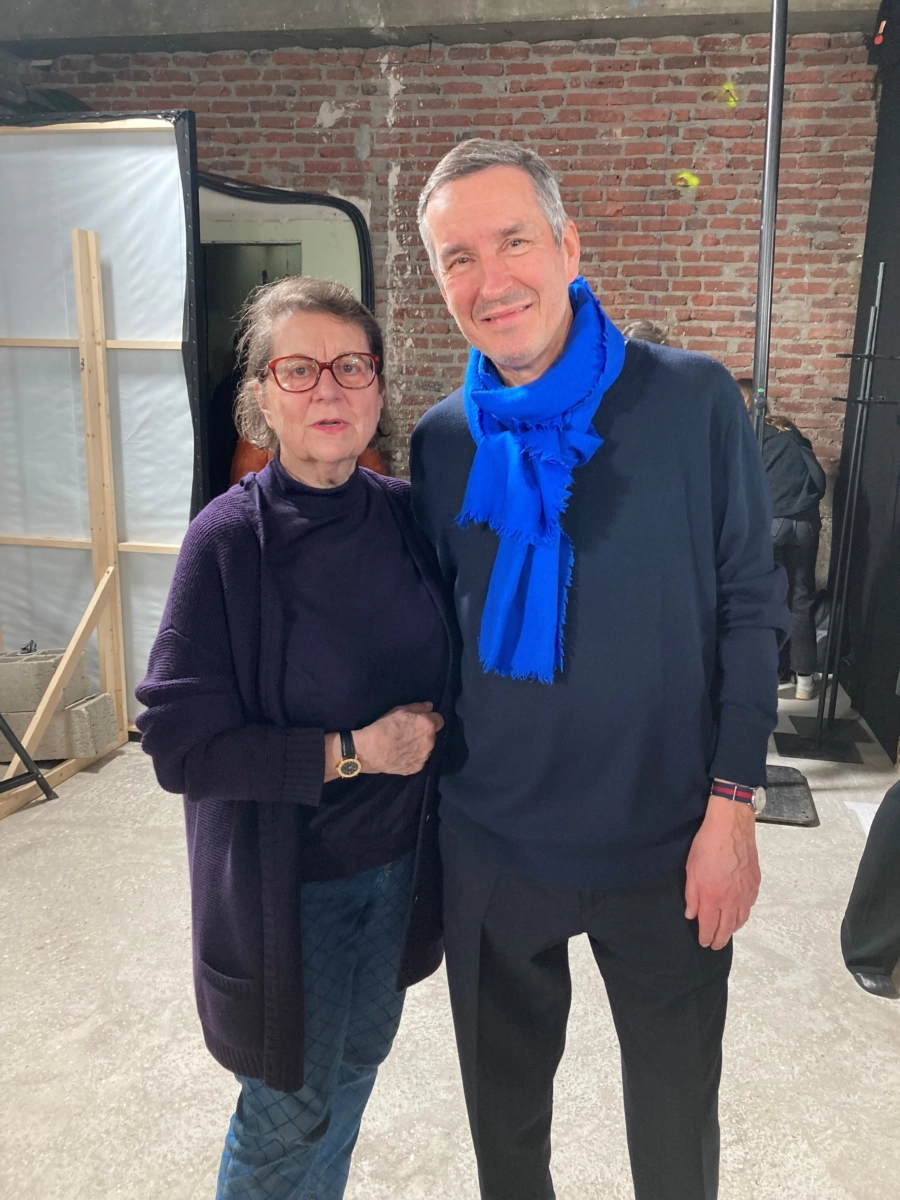
Venice! Who could resist this city? After retiring from the fashion industry, Dries Van Noten and his partner Patrick Vangheluwe purchased the Palazzo Pisani Moretta on the Canal Grande. There, at the end of April 2026, he presented the exhibition “The Only True Protest Is Beauty” (on view until October 4, 2026) – a sensual homage to the power of beauty. Brigitte R. Winkler, the doyenne of Austrian fashion journalism, interviewed him for us at the opening. Tip: If you want to experience the exhibition, you'll need a bit of skill: visitors must first become members before they can book a time slot.
Brigitte R. Winkler: In April 2026 you opened Fondazione Dries Van Noten in the Palazzo Pisani Moretta on Canal Grande. The palazzo was once a stage for carnival and even a film set for the film “The Tourist” with Johnny Depp and Angelina Jolie. What shall happen here that has not happened yet?
Dries Van Noten: The palazzo has lived many lives across its centuries of history, and each one has left a trace in its walls. What feels genuinely new is not a single event or occasion but something quieter and perhaps more lasting: a permanent creative life that treats the building not as a backdrop but as a home. A place where makers, students, artists, and curious visitors return not once but many times, where conversations begun in one exhibition continue and deepen over years. The palazzo deserves that kind of sustained attention, and in some ways that continuity, unhurried and without spectacle, is the most radical thing we could offer it.
You gave up your label in 2024 at its peak. Why?
Because I felt that the work was complete in the way it needed to be, and that continuing simply for the sake of continuing would have been a disservice to everything the brand stood for. Fashion had given me an extraordinary life, five decades of curiosity, collaboration, and making. But I have always believed that knowing when to stop is as important as knowing how to begin. Stepping away at a moment of strength felt more honest than waiting for the energy to diminish. And in truth, it was less an ending than a reorientation. The same values, the same curiosity, the same deep respect for making, they are all here in the Fondazione. Just breathing at a different rhythm.
“Stay quiet enough to notice it when it happens.”
For Dries Van Noten, beauty is neither decoration nor a tool. It reveals itself in the seemingly ordinary yet meaningful moments of everyday life – moments that, if only for an instant, transform the way we perceive the world.
What drove you to found Fondazione Dries Van Noten? You could also chill on an island!
The thought crossed my mind, I won’t pretend otherwise. But I think I knew quite quickly that it wasn’t really for me. What has always nourished me is not the making alone but the exchange, the daily surprise of encountering someone else’s perspective, a material you hadn’t considered, an idea that shifts everything slightly. Without that, I would have been lost. The Fondazione was not a plan so much as a necessity, a way of staying curious and connected to the world of makers that has shaped my entire life. An island would have been beautiful for about two weeks.
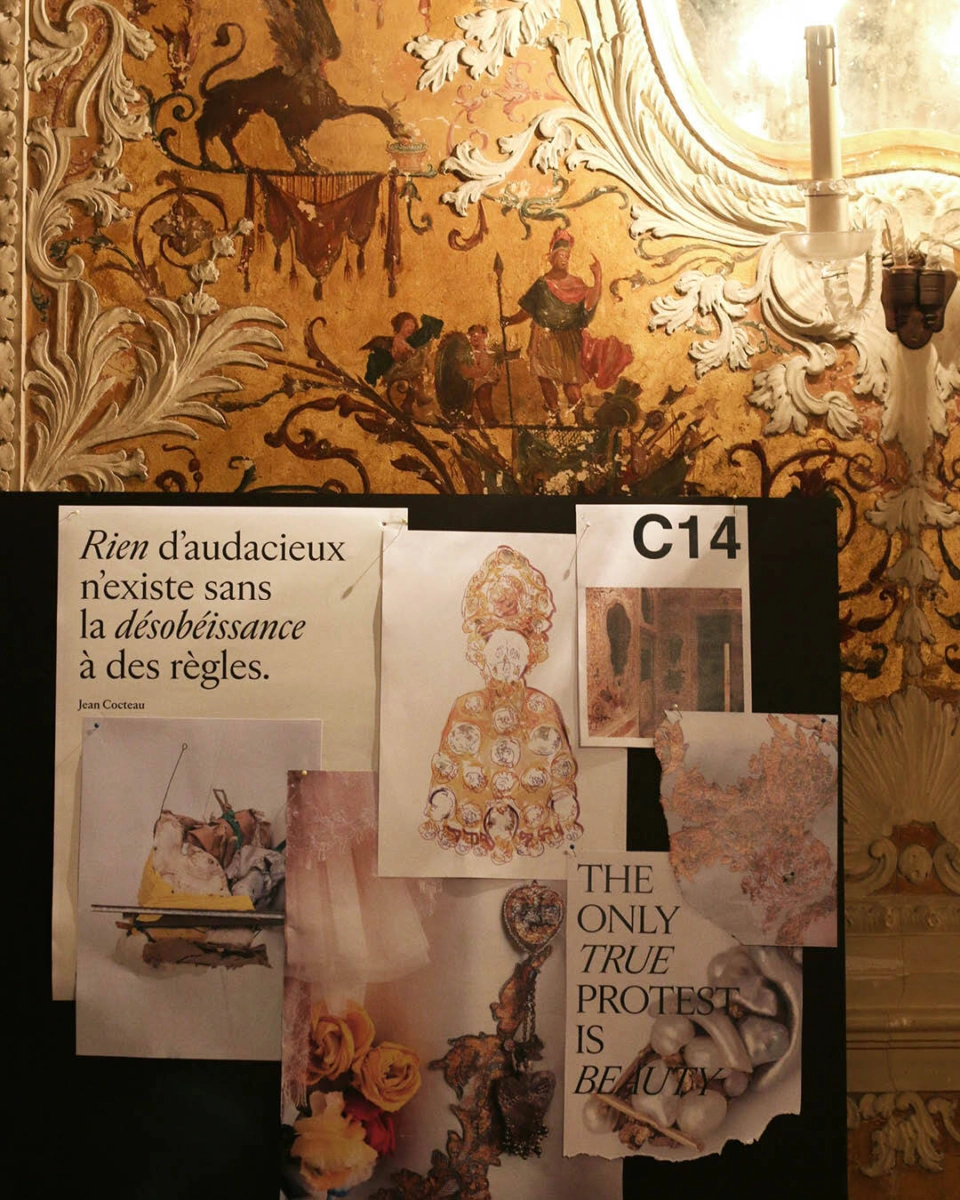
Your first presentation is called “The Only True Protest Is Beauty.” Who or what is this protest directed against?
Not against anything specific, and I think that is precisely the point. A protest directed at a single target is a reaction. What we are interested in is something more persistent and quieter than that. It is a protest against numbness, against the acceleration that flattens everything into the same register, against a world that increasingly rewards speed and efficiency at the expense of depth and nuance. Beauty, in this sense, is not a statement but an insistence. It asks you to slow down, to look again, to remain open and sensitive at a moment when closing down feels much easier. That gentle but persistent refusal to accept ugliness as inevitable, in how we make things, in how we treat knowledge, in how we engage with one another, is where the protest lives.
You once said: “I can’t do anything with beauty.” What do you mean by beauty?
What I meant is that beauty resists being used. The moment you try to instrumentalize it, to make it serve a predetermined purpose, it loses the very quality that makes it powerful. Beauty is not a tool, and it is not decoration. For me, it has always been closer to a form of attention, a way of remaining open and sensitive to the world. It can come from the simplest things, the way light falls at a certain hour, a gesture made with real care, a material that reveals something unexpected.
What these moments share is that they stop you, however briefly, and shift something in the way you see. That is not something you can manufacture or direct. You can only create the conditions where it might happen and then stay quiet enough to notice it when it does.
“Emotion first, always.”
“Beauty can come from the simplest things, the way light falls at a certain hour, a gesture made with real care, a material that reveals something unexpected.”
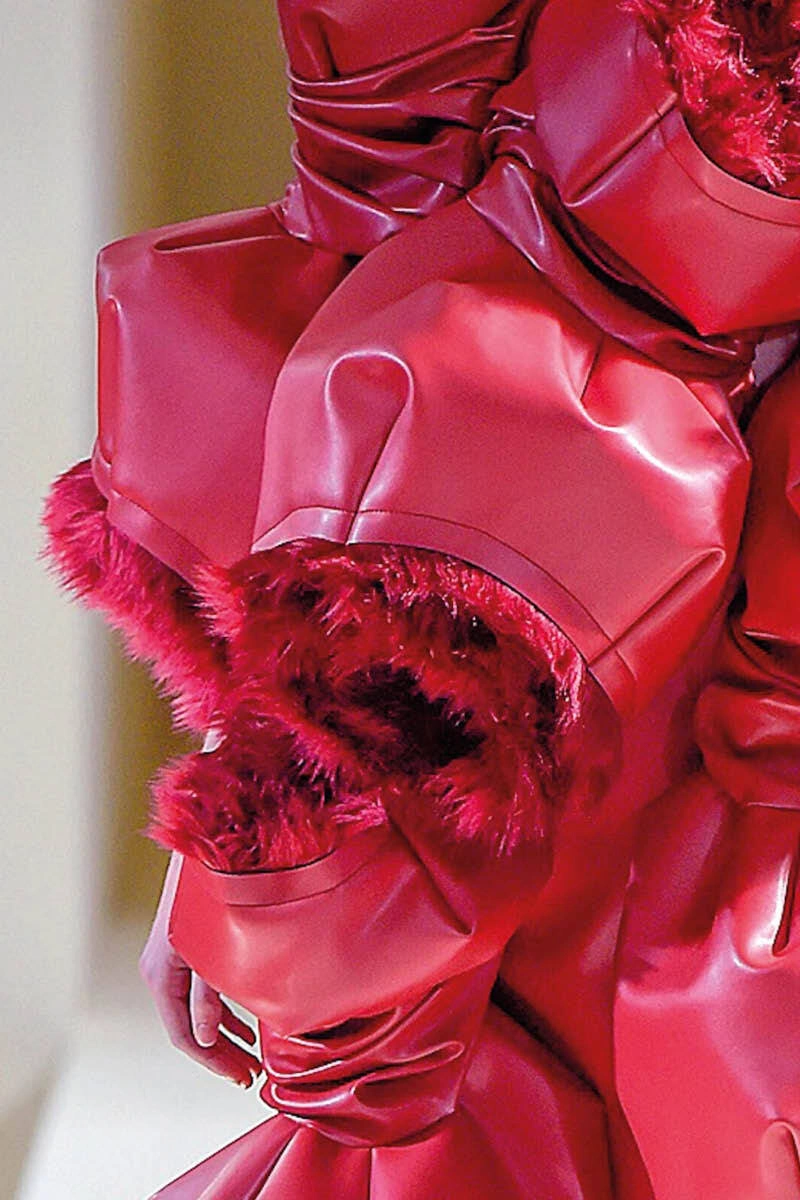
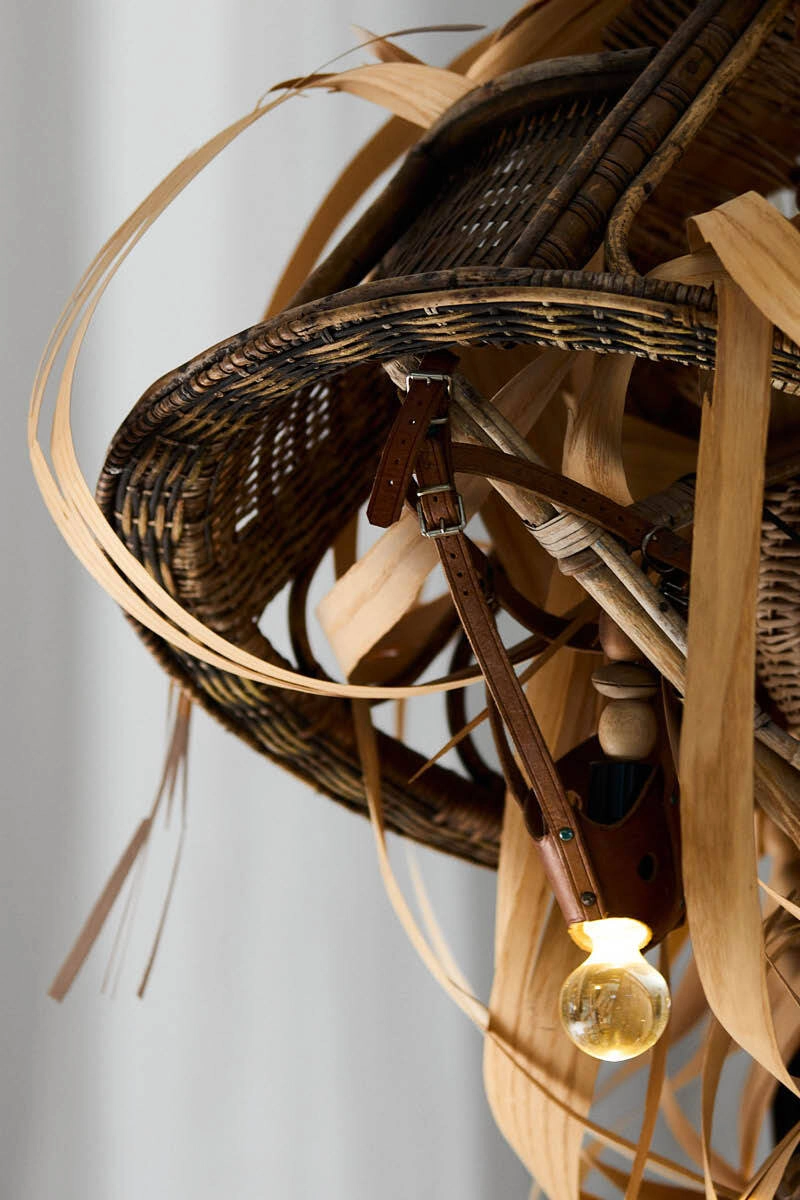
You and the historian and curator of Belgian fashion Geert Bruloot have selected over 200 works from the fields of fashion, art, design, and crafts for the palazzo. What was the selection criteria?
Emotion first, always. Before any intellectual consideration, I asked whether a work moved me, whether it carried a presence I wanted to return to. Geert brings a depth of knowledge that complemented that instinct beautifully, and the palazzo itself had very strong opinions about what belonged inside it. Beyond emotion, we looked for work that reveals the hand behind it, where you can feel the thought and the care invested in the making, regardless of discipline or reputation. A young unknown maker could sit alongside an established name if the resonance was right. What held everything together was a shared quality of attention, the sense that each work had been made with complete commitment to the gesture behind it.
What role does craftsmanship play, in the presentation and in your life?
In both, it is the heartbeat. Craftsmanship has never been a category for me, it is a way of thinking, of being present with a material and allowing it to guide you as much as you guide it. Throughout my life, I have been surrounded by people who think with their hands – tailors, embroiderers, glassmakers, gardeners – and what I learned from them was never only technical. It was about patience, about the kind of attention that only develops when you slow down enough to truly listen to what you are making.
“Complete commitment.”
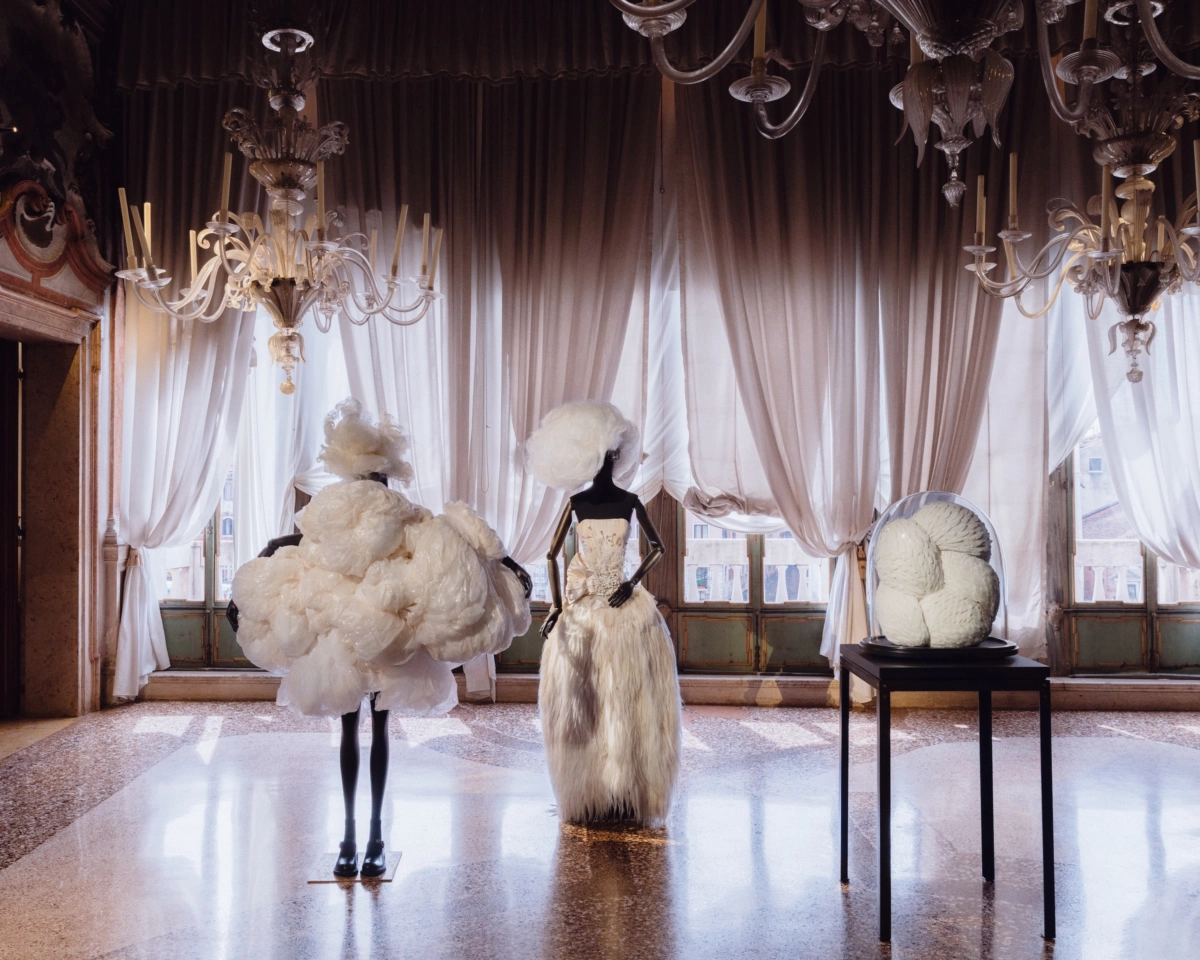
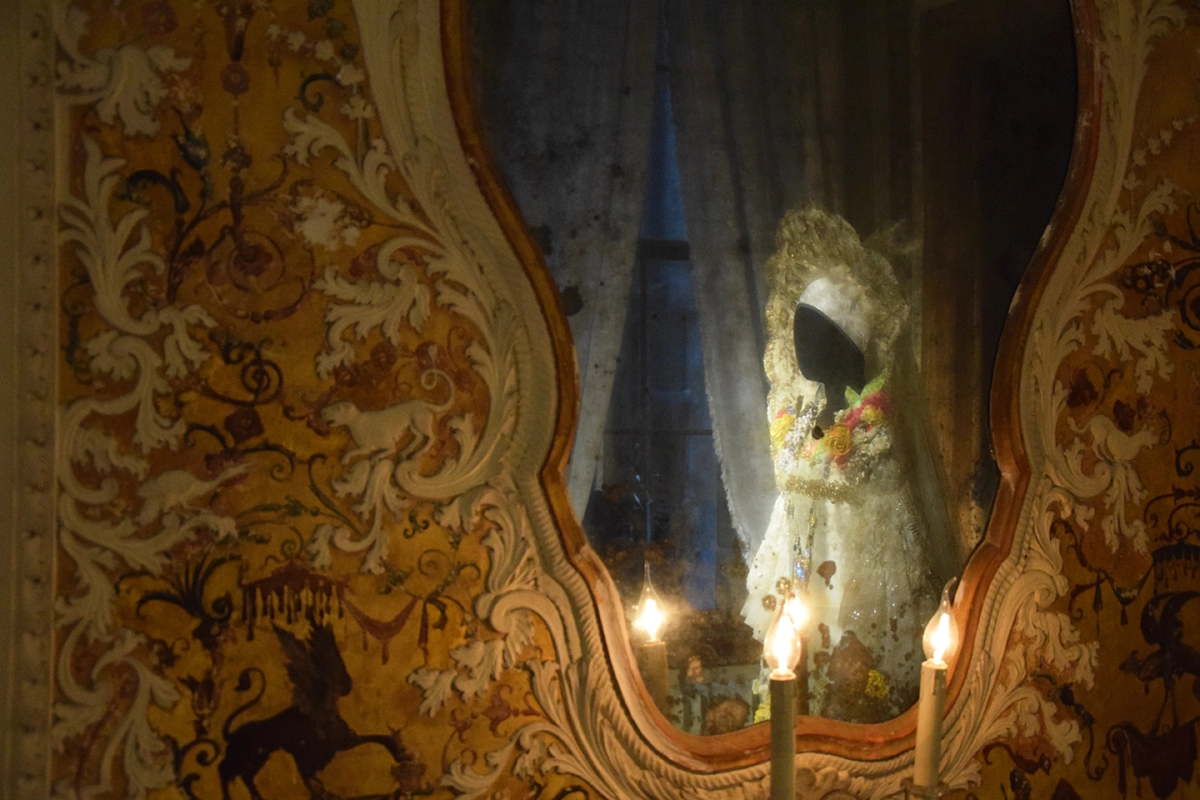
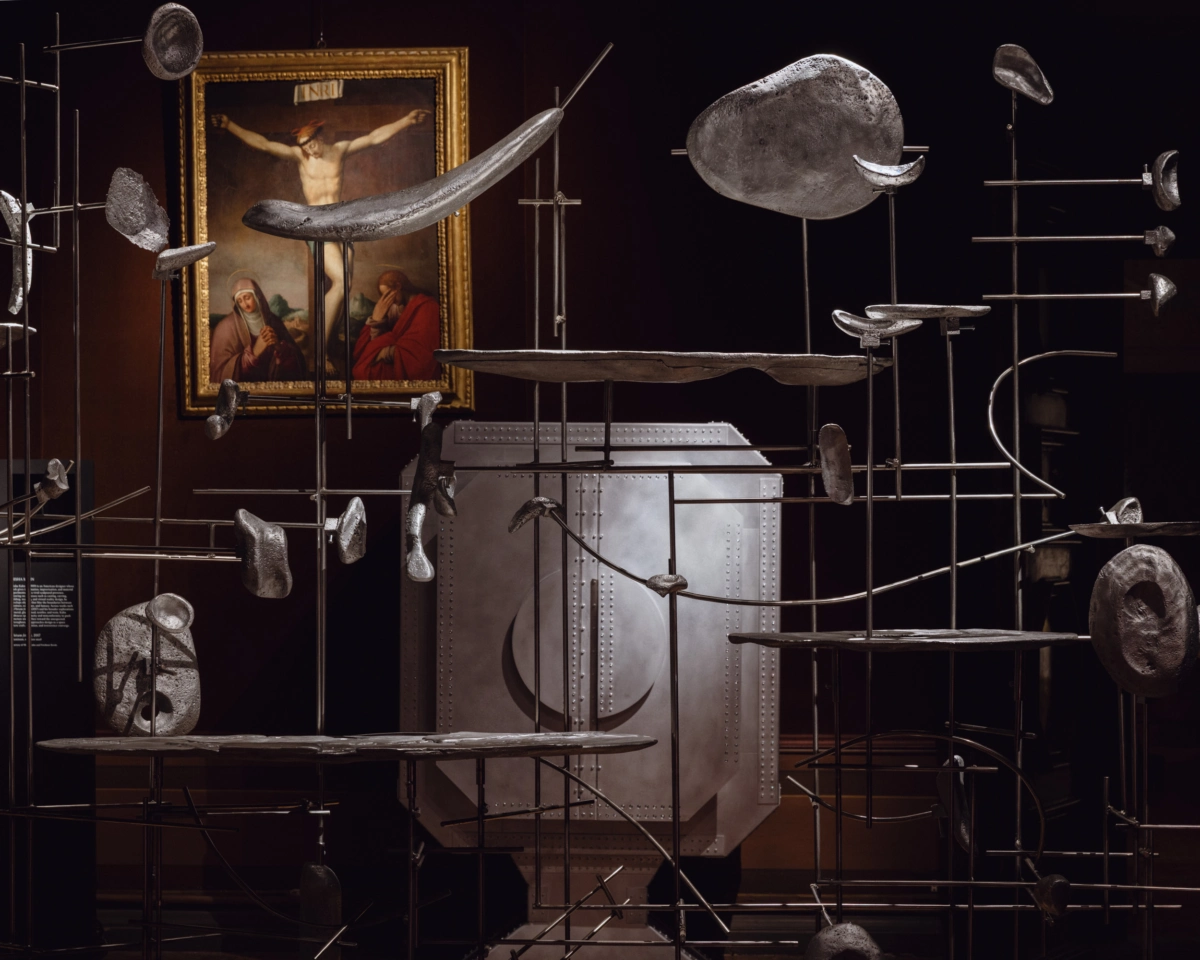
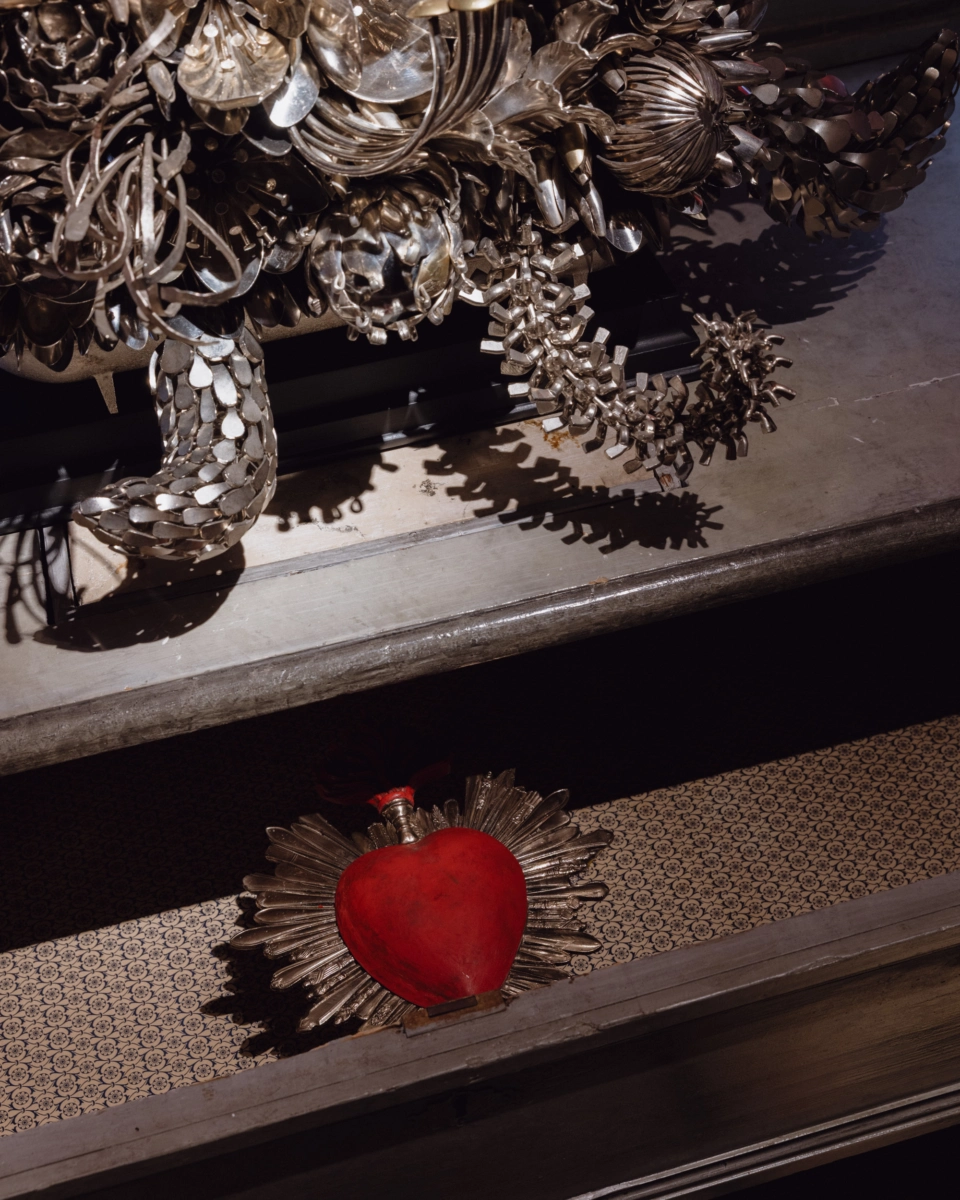
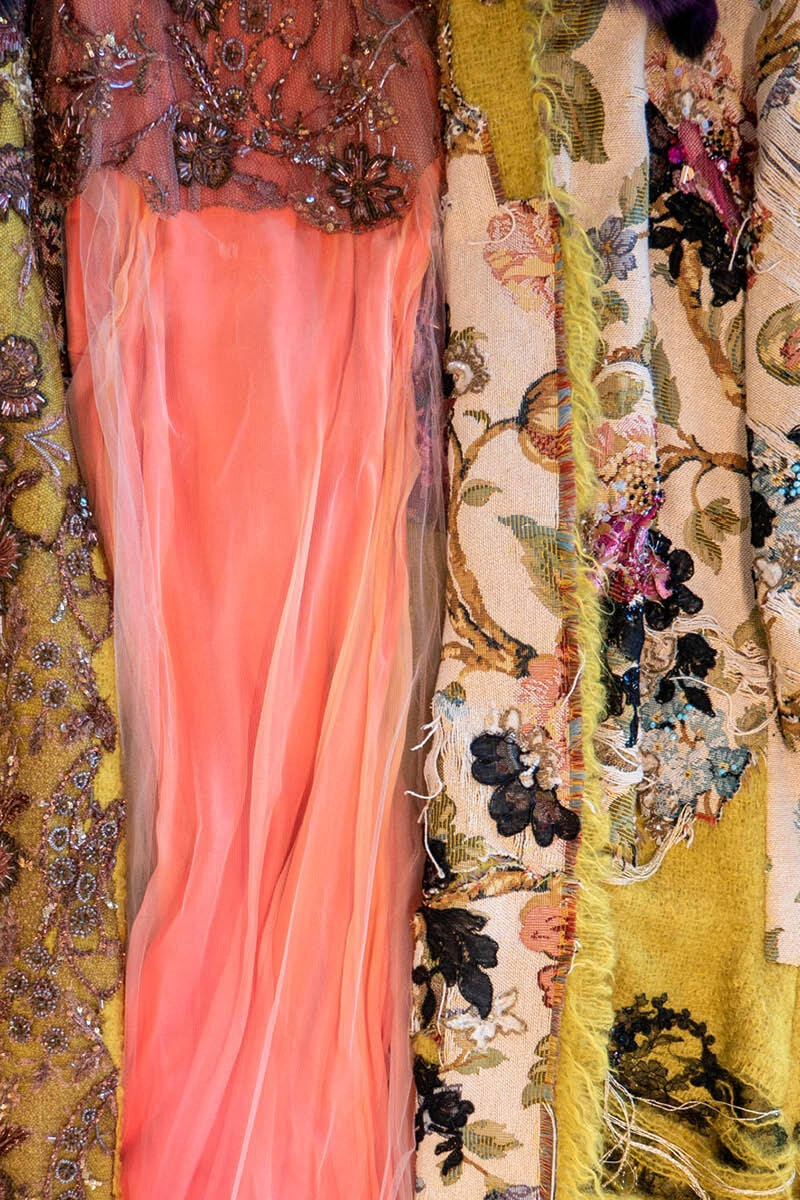
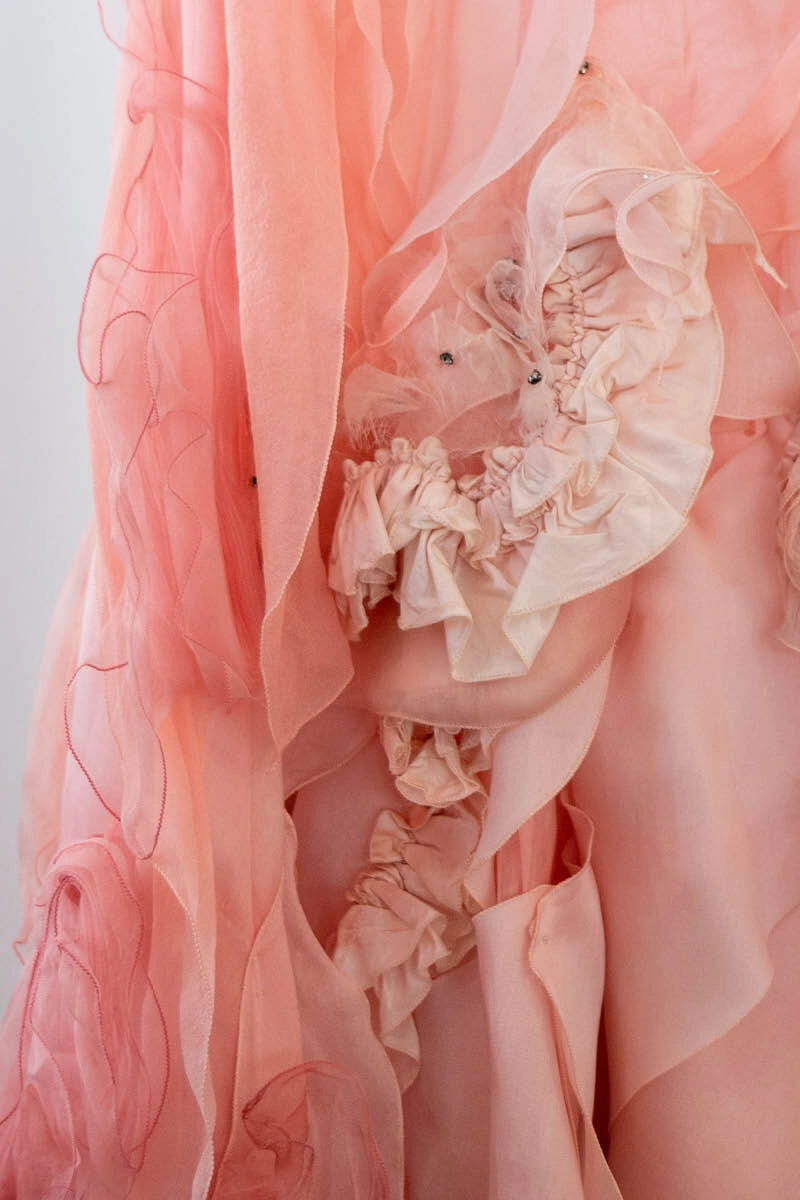
Gilded salons, Venetian frescoes, and Murano chandeliers: Palazzo Pisani Moretta on the Canal Grande is one of Venice's most magnificent noble palaces. Behind its late Gothic facade, the Belgian designer showcases more than 200 works, each demonstrating a remarkable level of craftsmanship.
The presentation is not intended to be a substitute for a museum, but a cultural engine “for everyone.” Who and what do you want to reach?
“Everyone” is a word I mean quite literally. The student who has never had reason to step inside a palazzo like this. The artisan who has spent a lifetime mastering a technique and rarely sees that knowledge celebrated. The young maker looking for a context where experimentation is genuinely welcome. The curious visitor who arrives without any particular background in art or design and leaves with something they weren’t expecting. What I hope the Fondazione offers to all of them equally is not a lesson but an experience, the feeling that what happens here has something to do with them.
What do you mean with "cultural engine"?
A cultural engine only works if it is connected to the people around it, and that connection has to be built through genuine openness, through programming that runs throughout the year, through prices and formats that do not exclude, and through a daily presence in the life of the city that goes beyond the grand occasion. That is what we are working toward.
“A pause in the pressure.”
The artworks engage in a rich dialogue with the palace's interiors, allowing the historic architecture to become an active participant in the experience.
You warn that young talents are being “devoured” – by time, the market, AI. What is the greatest danger?
The greatest danger is not any single force but the combination of all of them pushing in the same direction: toward speed, toward immediate visibility, toward a creativity that is legible and shareable before it has had time to truly form.
A young maker today faces enormous pressure to produce constantly, to build an audience, to be relevant before they have had the chance to develop a genuine relationship with their own work and their own instincts. That takes time, and time is precisely what the current system does not offer. What I hope the Fondazione can provide, in however modest a way, is a pause in that pressure.
Your father and grandfather owned a boutique for prêt-à-porter. What was your childhood like? Are there memories that shaped you – that you still remember today?
I remember the boutique as a place of attention, where things were handled with respect and where the relationship between an object and the person it was made for was taken seriously. That sensibility never left me. Neither did the understanding that creativity is not something separate from daily life but woven into it, present in the most ordinary gestures and choices.
My grandfather and my father were not artists, but they had taste, and they had curiosity, and in many ways everything I have done since began there, watching people encounter something that felt made for them.
“That sensibility never left me.”
Just a few steps from the palazzo, Studio San Polo in Venice will take on a central role during the renovation period. Designed by architect Giulia Foscari, the contemporary space hosts workshops, residencies, discussions, and experimental formats.
How often will the presentations in the Fondazione change?
We are not working to a fixed calendar, which feels deliberate and important. The palazzo will undergo a significant restoration later this year, and in the meantime our second space, Studio San Polo, will keep things very much alive, through events, residencies, special activations, and partnerships. When the palazzo reopens, we want the programming to evolve organically rather than according to a predetermined rhythm, allowing each presentation enough time to be truly experienced and for conversations to develop and deepen. In a world that changes everything too quickly, that slower rhythm feels like one of the most meaningful commitments we can make.
What really matters to you in life today?
The same things that have always mattered, if I am honest, just with more clarity now. The people around me, the quality of attention I bring to each day, the garden in Antwerp that teaches me patience every single season. Good food prepared with care, a conversation that goes somewhere unexpected, the feeling of being genuinely surprised by something. After a life spent moving very fast, what feels most precious now is exactly that: the permission to slow down and notice. The Fondazione is part of that. It is not separate from life but an extension of the same curiosity that has always driven me, just with more room to breathe.
Thank you for the interview!
The author Brigitte R. Winkler, born in Carinthia (Kärnten) in 1947, is one of Austria's most prominent fashion journalists (“Kurier”). For over four decades, she reported on the most important international fashion shows in Paris, Milan, London and New York, establishing herself as one of the most well-connected voices in the European fashion scene. In 1992, she published the book “World Champions of Fashion: From Armani to Yamamoto”. In recognition of her achievements, she was awarded the honorary title of professor in 2018. She has taught at the University of Applied Arts Vienna and the University of Arts and Industrial Design Linz, and works as an academic consultant and author.
„Only True Protest Is Beauty“
Fondazione Dries Van Noten
Palazzo Pisani Moretta on the Canal Grande, near the Rialto Bridge
until October 4, 2026
Dries Van Noten was born in Antwerp in 1958. He studied fashion design at the Royal Academy of Fine Arts in his home city and was a member of the ‘Antwerp Six’, the group of designers who brought Belgian fashion to international attention in the 1980s. In 1986, he founded his own label. In 2024, Dries Van Noten stepped down from the creative direction of his fashion house and handed over the reins to Julian Klausner.
Ann Demeulemeester, Dirk Van Saene, Marina Yee, Dries Van Noten, Walter Van Beirendonck & Dirk Bikkembergs (from left to right)
Until January 17, 2027, the MoMu – ModeMuseum Antwerp is paying tribute to the ‘Antwerp Six’. Dries Van Noten was one of them, the others were Ann Demeulemeester, Walter Van Beirendonck, Dirk Bikkembergs, Dirk Van Saene and Marina Yee. The six students from the Antwerp Academy of Fine Arts put Belgian fashion on the global map in the 1980s by travelling to London Fashion Week in a hired lorry, where they caused a sensation for the first time.