“Anything but victims”
Jules Bauereiß: The World Press Photo Contest is considered one of the highest honours in photojournalism and documentary photography, comparable to the Pulitzer Prize. What went through your mind when you found out you’d won it?
Chantal Pinzi: I was in Thailand at the time, working on another story where nothing seemed to be going right. I was pretty frustrated. Then, right at that moment, I received the news that I had won. It felt like a push. In photography, you never know what tomorrow will bring. This industry is like a wave, and I am still surfing it for now, but that could change at any moment. What I'll never forget is how it all began. I was on my own, carving out my own path over the years. Today, I can tell and publish meaningful stories. My photography is part of my activism. It's part of who I am.
In your series “Farīsāt: Gunpowder’s Daughters,” you portray Moroccan female horseriders during training, at competitions, and behind the scenes, in magnificent robes, on horseback, and with rifles they fire while galloping. A visually stunning story about courage and female self-determination. Can the ten images in your series tell the story of an entire world?
Ten images are definitely not enough, it’s just a glimpse into this world. But maybe that’s enough for the moment, so that people can at least understand: The Farīsāt – which means “female riders” in Arabic – exist!
Your photos show the female riders as strong and resilient: What did you see on site that we can’t see in these ten photos?
The riders are constantly under pressure to be perfect. Any mistake could be held against them, simply because they are women. Yet, they refuse to be intimidated. I’m fascinated by the strength and ease with which the Farīsāt control their wild, energetic horses – and without a saddle! I love that. That’s exactly how I want to portray women: strong, self-determined, and anything but victims.
“Were you an activist first or a photographer?”
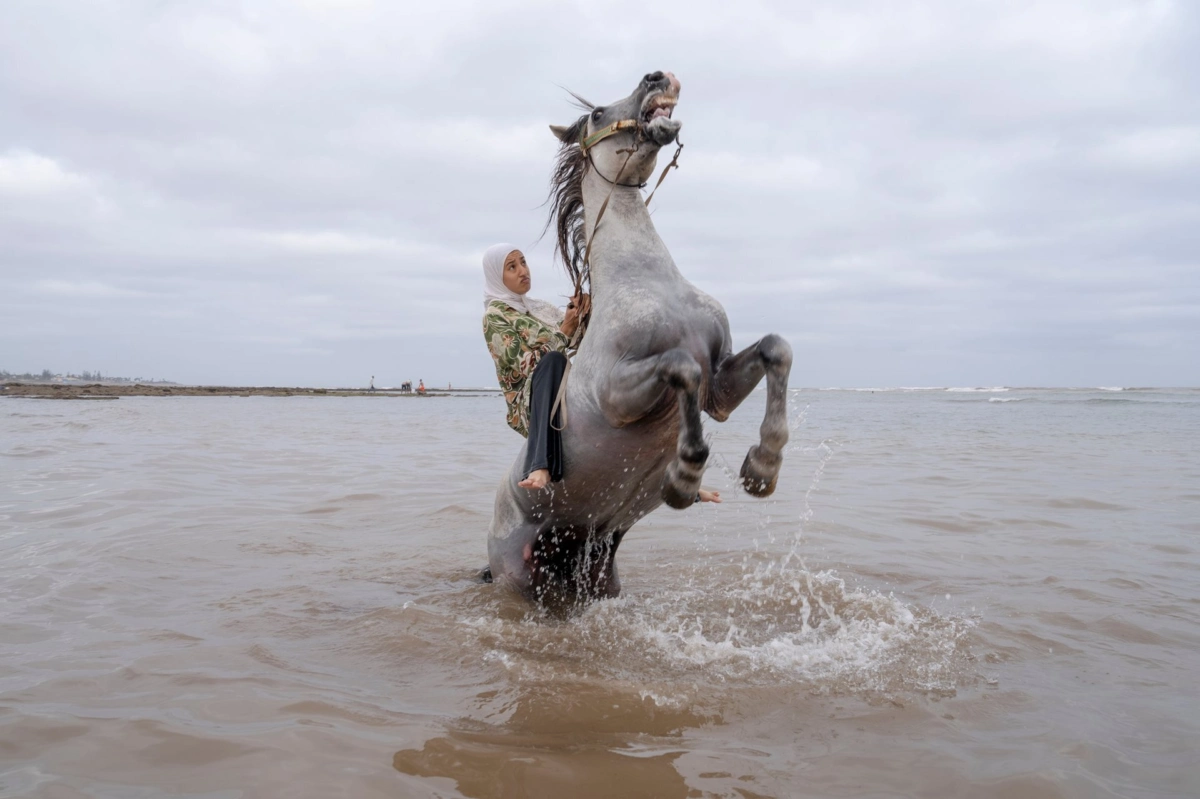
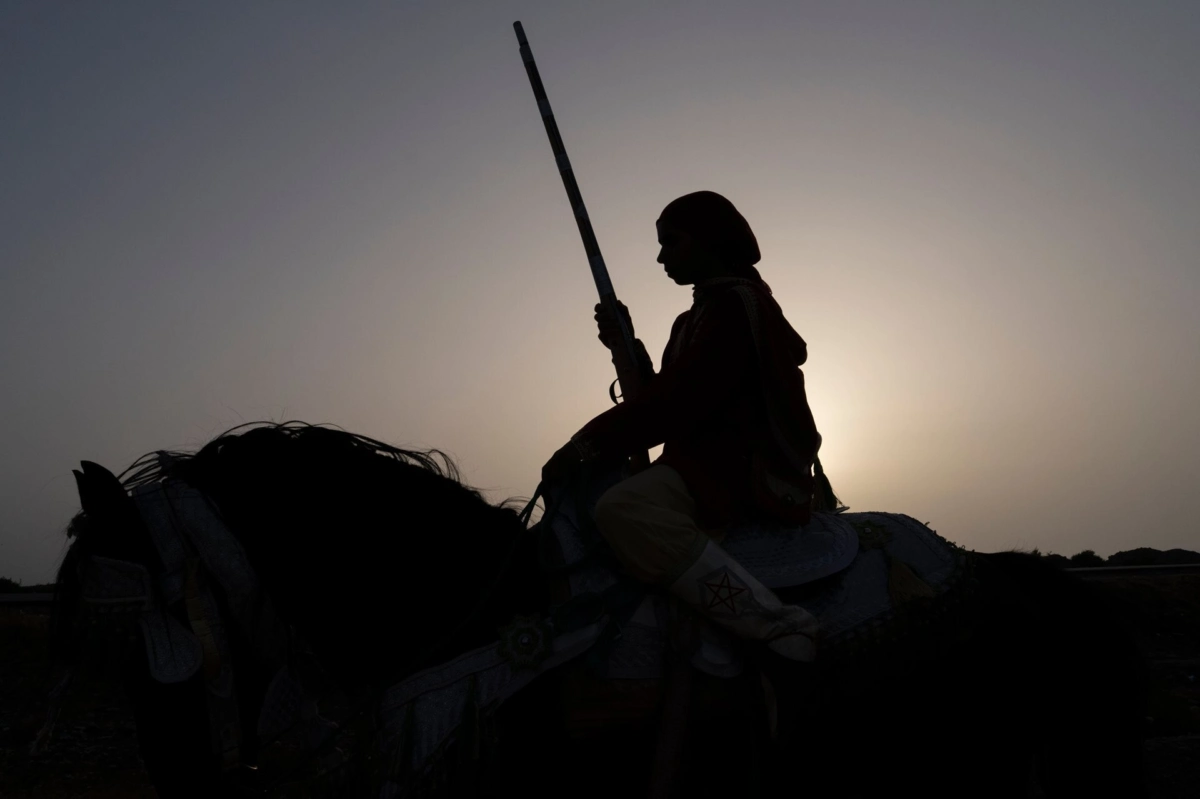
Sidi Rahal, Morocco: Ghita Jhiate tames her wild stallion. For a long time, her father had forbidden her from taking part in the Tbourida – the name given to the 16th-century Moroccan equestrian tradition recognised by UNESCO as an intangible cultural heritage. In 2025, she fulfilled her dream and rode alongside Tbourida pioneer Zahia Aboulait. Then an accident occurred: double-barrelled guns exploded, and Ghita nearly lost her arm. To pay for the operation, she had to sell her stallion.
Activism and documentary photography are often associated with negative stories about the world’s suffering and injustice, but your photo series, on the other hand, expresses a great optimism!
It’s up to us to see the positive as well, and not let ourselves be overwhelmed by all the disasters and sadness. That’s not the only reality. I’m interested in positive stories: people who resist, who are resilient, and who keep going because they believe in what they’re doing. I love stories like that.
Your photographic work is also described as visual activism. Were you an activist first or a photographer?
I was probably an activist first. I started taking photos when I was 16. At first, I just documented my own life; later, I photographed student protests. When I travelled alone, I realized how comfortable I felt out there in the world with just my camera. While studying photography, I came to understand the impact images can have on society. Today, I use photography as a medium for my activism. And it works!
How does a story like this – one that would later win the World Press Photo Contest – begin?
It grew out of my research on female resilience in sports. I documented female wrestlers and skaters in India, and in my project “Shred the Patriarchy,” I documented female skaters in Morocco. I wanted to return to Morocco, and that’s when I came across the story of the Farīsāt. My focus was on Gen Z, and how this new generation is transforming the Tbourida tradition – and, in turn, Morocco itself.
“Adrenaline and movement”
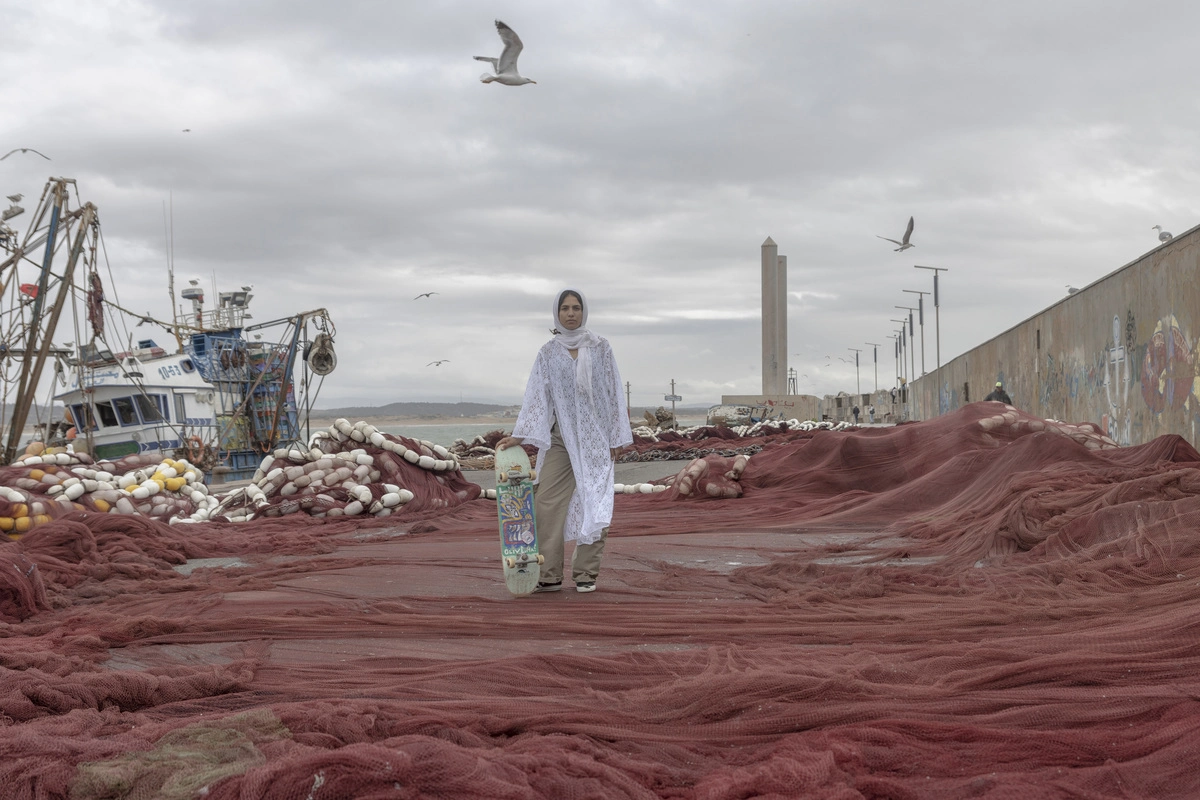
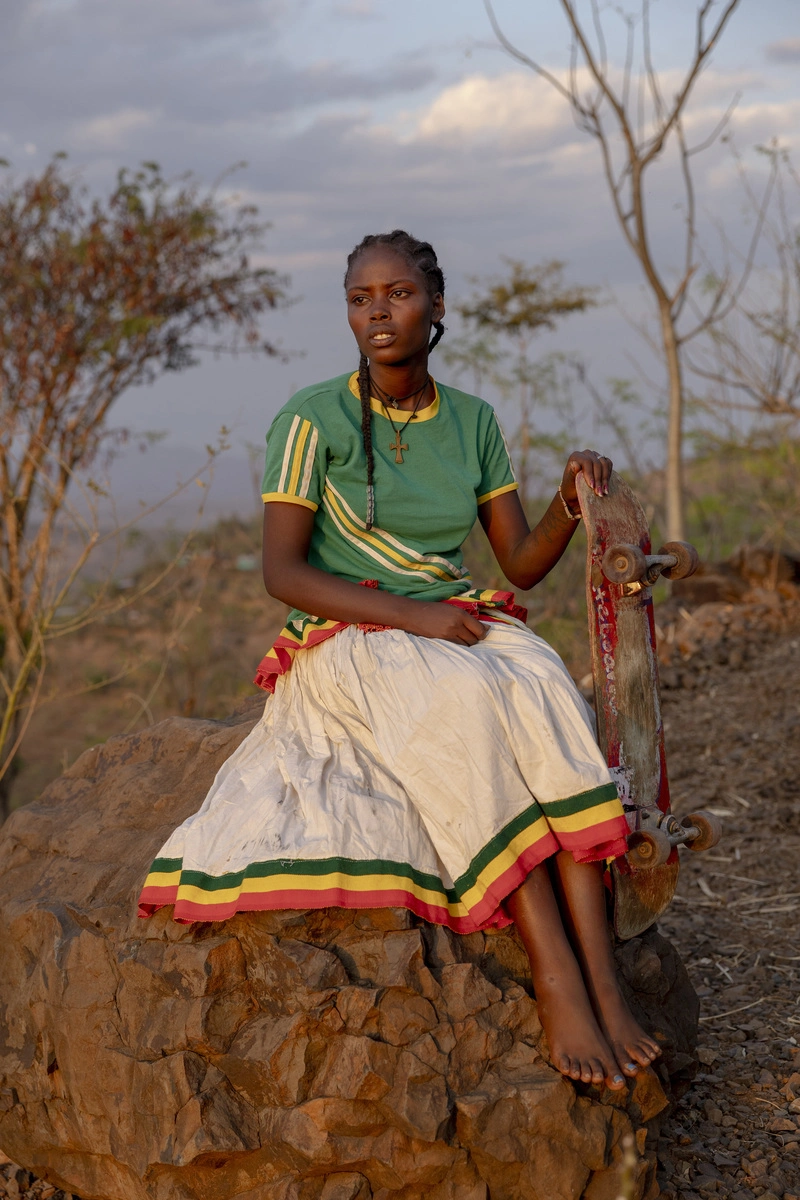
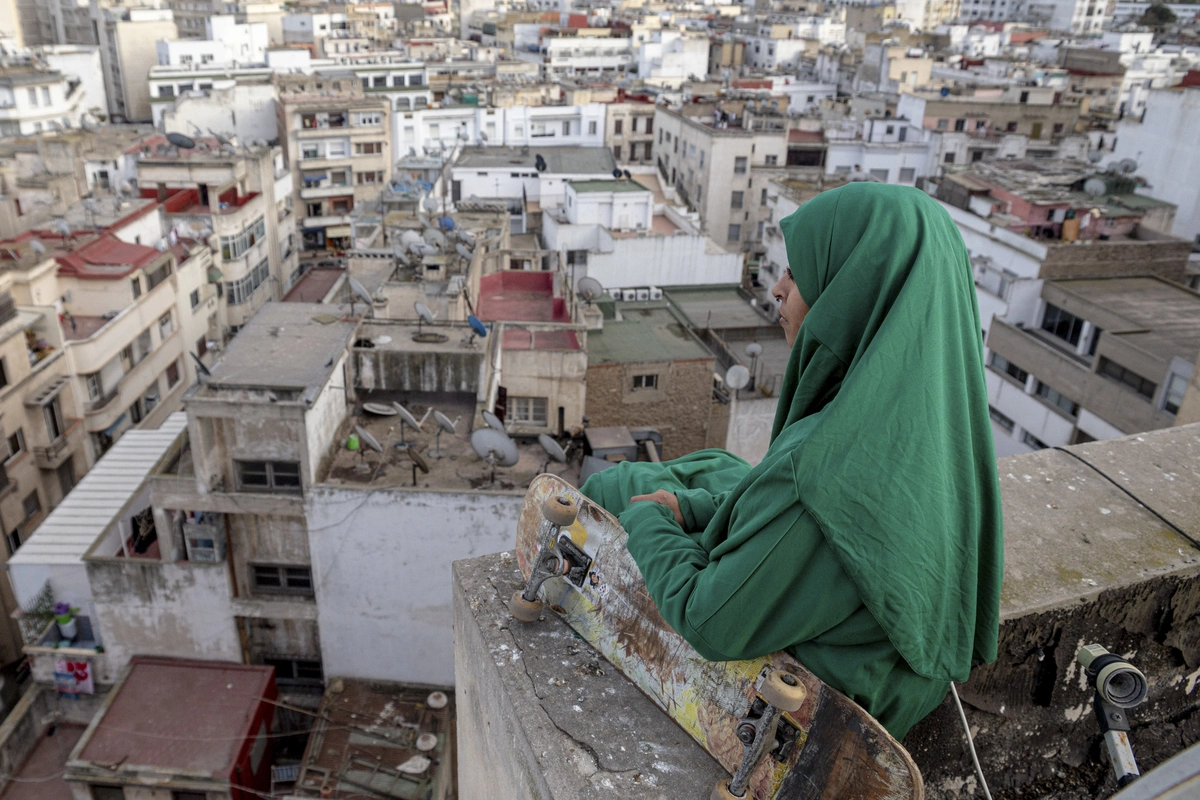
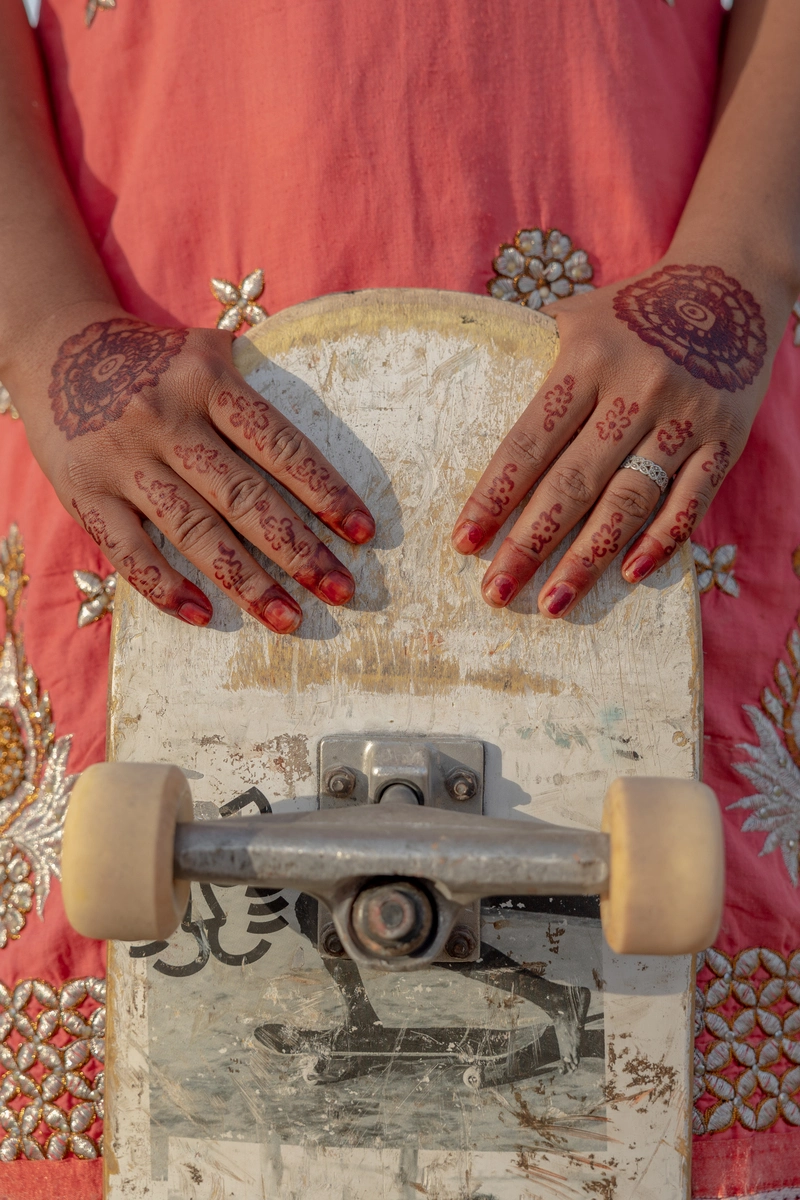
Female resilience in sport: In her work ‘Shred the Patriarchy’, Pinzi documented Moroccan female skaters (above). Below: a female skater in Ethiopia.
Why do you keep documenting women in male-dominated sports?
I’m an athlete myself: a skater and a kickboxer. That’s why I know how difficult it is to navigate male-dominated spaces. That’s why I think it’s important to show how sports can empower women and foster future leaders in our communities.
You take a lot of dynamic shots. Was it challenging to work with animals?
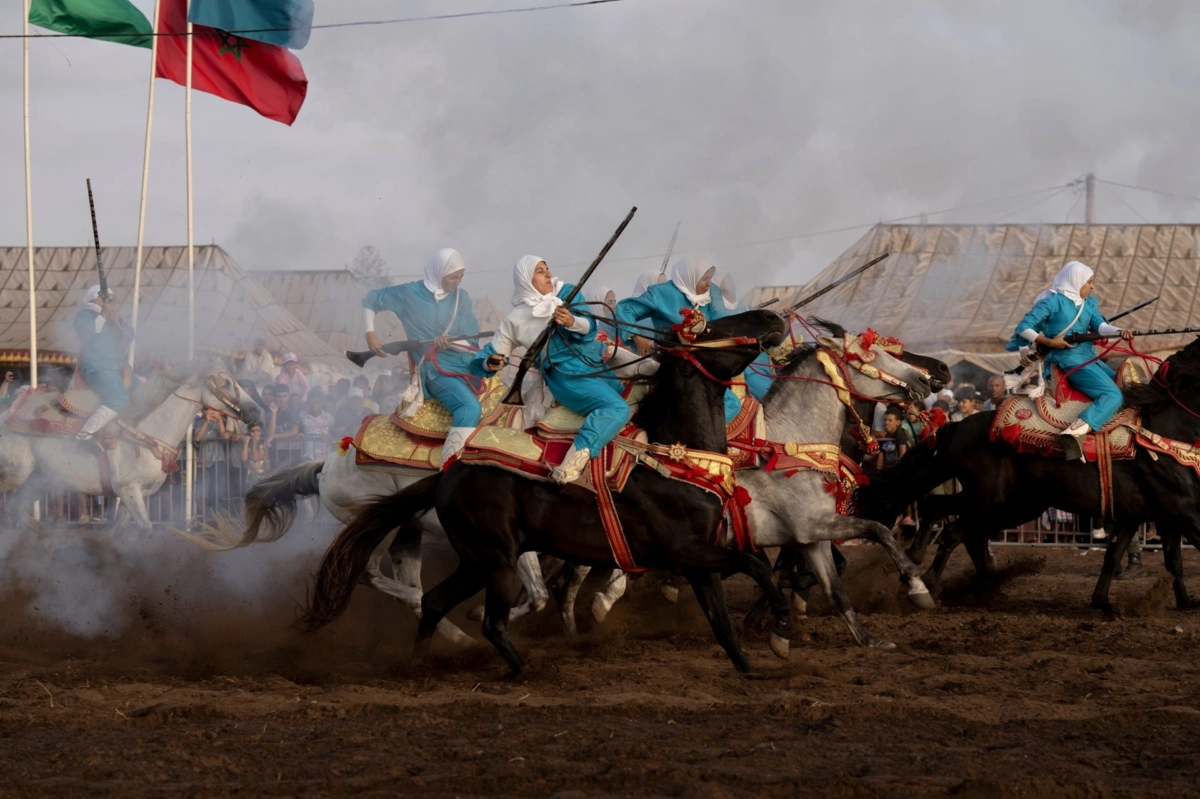
I’ve photographed many protests, so I know how to handle the mix of adrenaline and movement. Animals are much more unpredictable. On top of that, I was the only person not on a horse at the dusty training grounds of the Moroccan horsewomen. That was pretty dangerous. Even though the show repeats itself, every moment must be treated as unique – because it’s never exactly the same. Sometimes, you only have a second to adjust a single camera setting and press the shutter button.
“Stay curious”
“This is my favourite picture because it looks like an old painting,” says Chantal. Tbourida requires years of training: the riders must gallop in unison whilst loading and firing a rifle. This demands exceptional balance, coordination and horsemanship.
How much of an idea do you have to let loose on the spot?
Of course, you can prepare by familiarising yourself with the rituals and key steps of the performance. But once you’re there, the most important thing is to stay curious, look closely, and react in the blink of an eye.
Have you ever wondered what your photos might mean to the Farīsāt themselves?
As I walked through the alleys of Marrakesh, carrying photo prints of the Farīsāt, a man approached me about them. When he saw my photos, he initially thought the scenes were fictional. It wasn’t until I explained to him that these women actually practice the Tbourida tradition, that he believed me. That’s when I realized that, even in Morocco, many people don’t know anything about these female riders. That makes it all the more important to give them visibility. The women told me that my photographs have earned them more respect.
“Sweating my ass off”
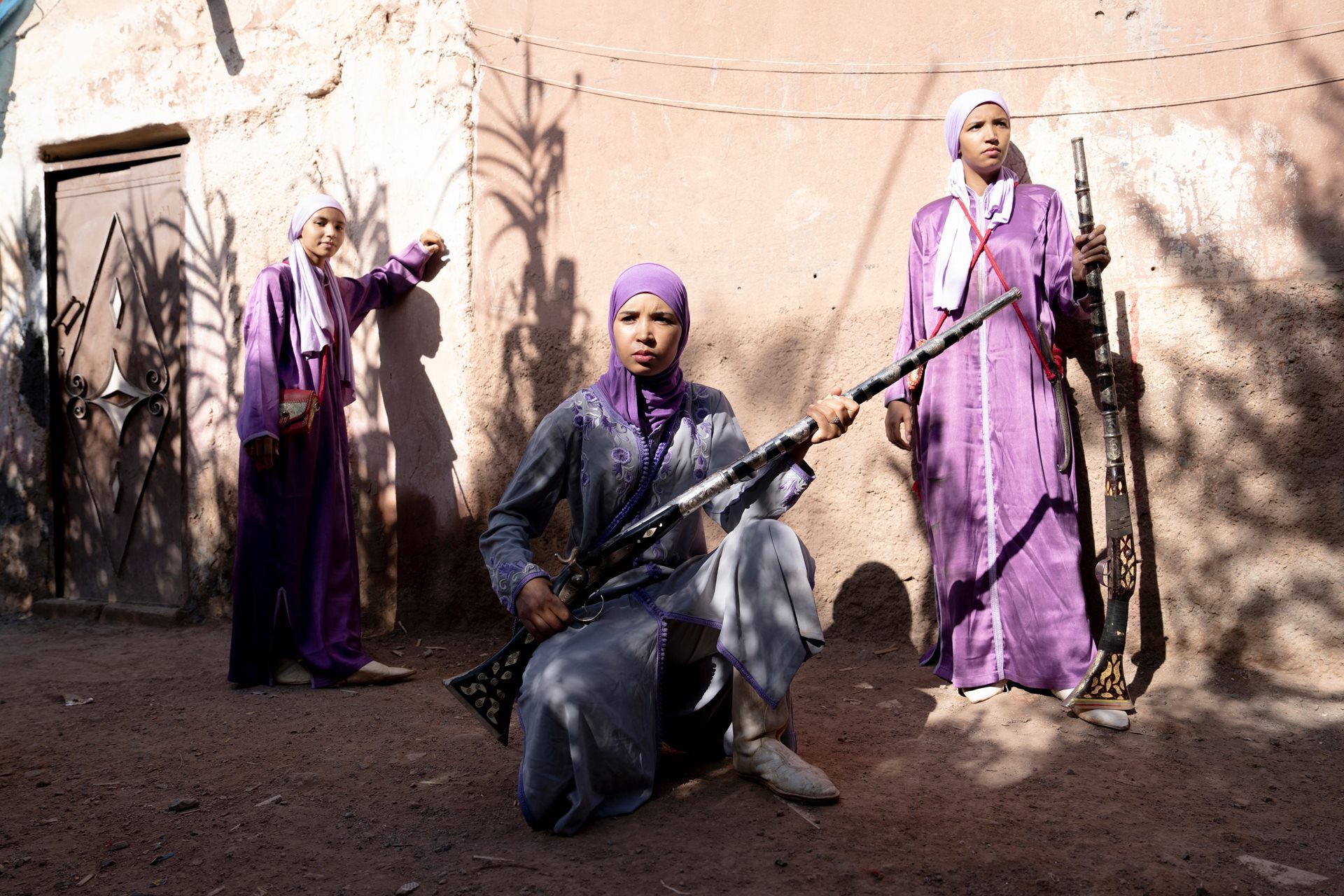
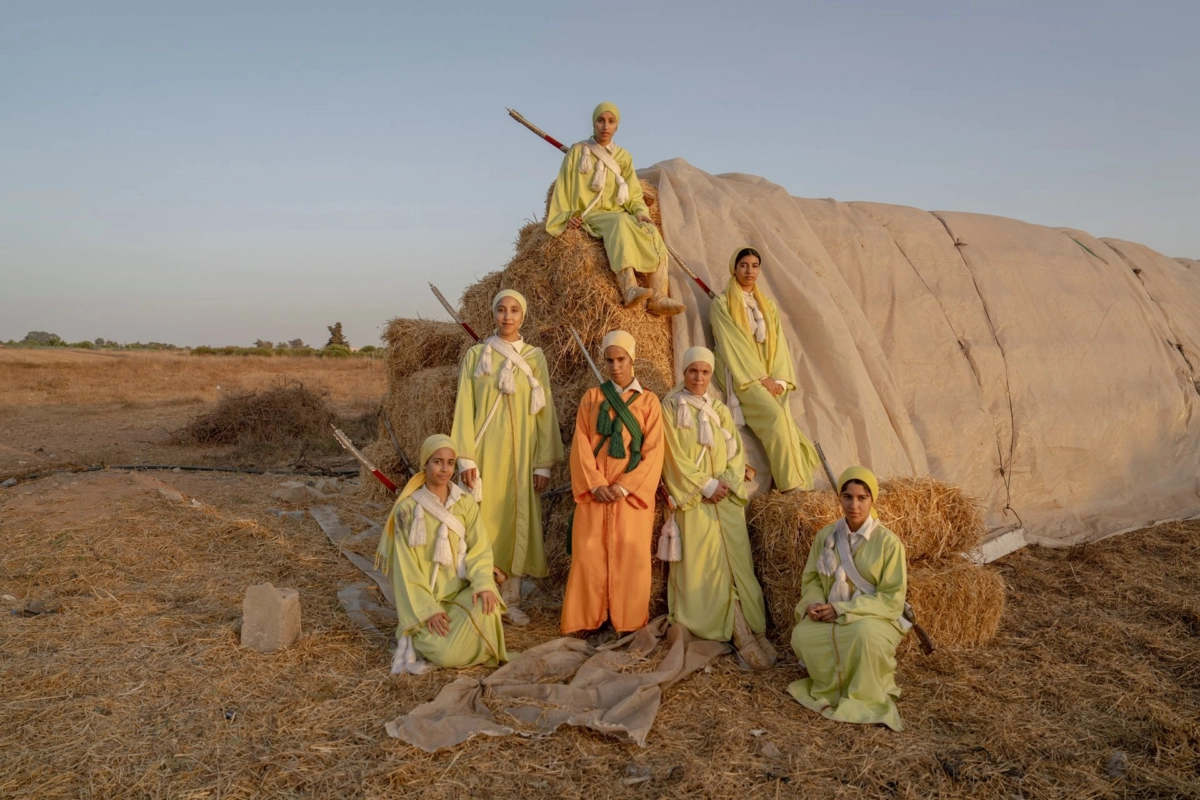
Bouchra Nabatas’s Tbourida troupe poses with determination. They were among the first women to form a Tbourida troupe, thereby paving the way for the mere seven all-female troupes that exist today, compared with the approximately 300 male troupes.
Was there a special moment between you and the Farīsāt that has stuck with you?
The Farīsāt convinced me to dress just like them. I felt very honoured, but it was 40 degrees in the shade, and I was sweating my ass off.
When you think back on your time in Morocco, what fills your heart?
Ghita Jhiate, one of the riders, had a serious accident. The rifles were double-loaded and exploded, causing her to nearly lose her arm. Despite this, she came to the performances to support her troupe. She didn’t know if she would ever perform again, or be able to move her hand. Her determination deeply impressed me.
“Shit, they’re going to shoot.”
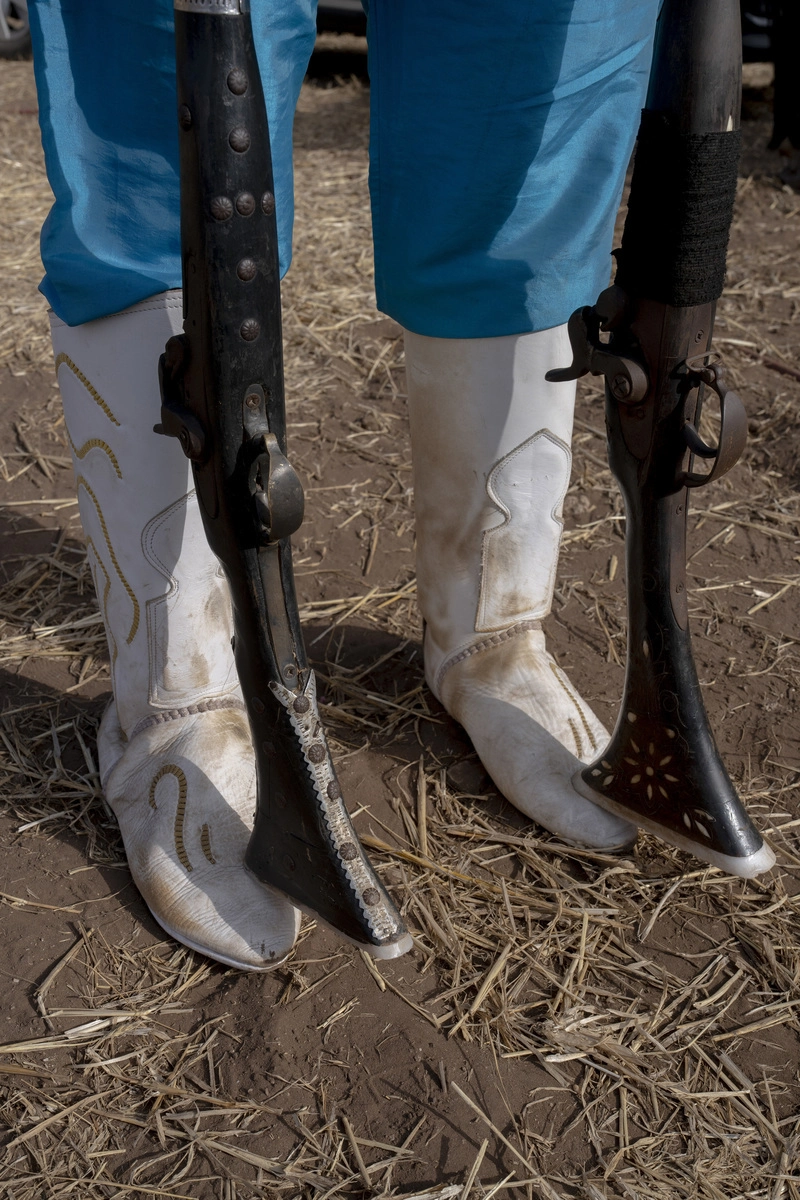
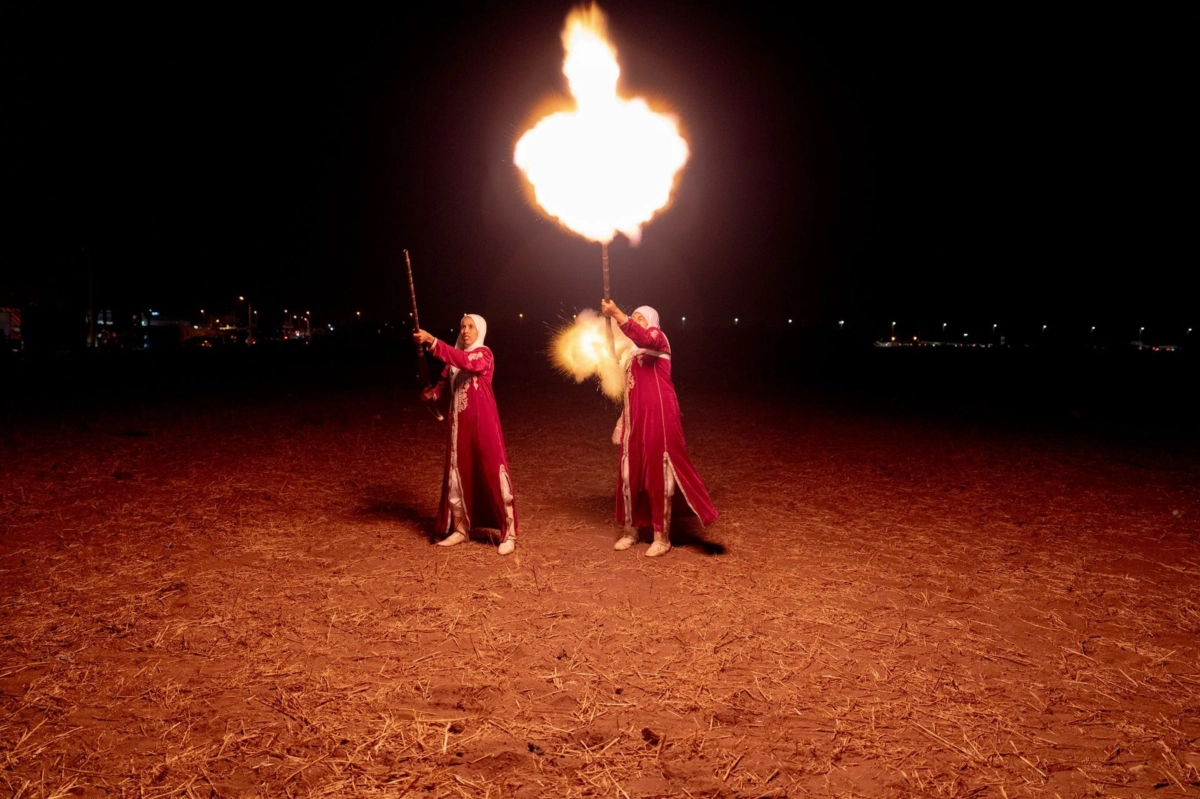
Two female riders are unloading rifles that misfired during the demonstration. This is necessary to ensure that no gunpowder remains in the rifle.
How do you gain the trust of your protagonists?
Through clear communication, by respecting boundaries and always asking for consent. Trust takes time. That’s why I always spend at least a month with my protagonists, building a connection. Only after that do we really start working.
But photography also means knowing when to put the camera away …
You have to develop a sense for that. When you’re confronted with injustice, you might have to take a picture, even if people don’t want you to. But when you’re working closely with a community and there’s an intimate moment in which someone might feel uncomfortable, you don’t take the picture. Even if it would be the most beautiful photo, you respect that. That’s different from documenting demonstrations, where I know my rights and use them.
“Trust takes time.”
Skateboarding against patriarchy! Top: Morocco; bottom: India.
What risks would you take to tell your story?
None. You should never put yourself in danger for a story. That's stupid. I work safely, and try to create the safest possible conditions in high-risk areas.
Have you ever been in a situation that you couldn’t quite believe yourself?
When I was 20, I worked in Africa – in Cameroon – for the first time. In a rural village, I was invited to a funeral—because of my camera, they thought I was from the press. Suddenly, about 30 soldiers with huge weapons ran towards the crowd. I thought, “Shit, they’re going to shoot.” But it was just part of the ceremony. In the end, everyone was dancing.
AI can be used to manipulate almost any image. What does that mean for trust in documentary photography, and for your work?
Even without AI, journalism and photojournalism are professions that make our democracy possible. With AI, it’s actually pretty frustrating right now. My work is constantly mistaken for AI, probably because there are still people who can’t believe that women are capable of doing extraordinary things. If a woman in a photo is doing something extreme, people immediately assume it’s AI. I don’t usually respond to comments. But when someone says it’s AI, I always reply, “No! It’s not!”
“Photography is part of my activism, part of who I am.”
Are awards like those from the World Press Photo Contest more important than ever in the age of AI?
The World Press Photo Contest is a great way to celebrate high-quality photojournalism. It could set an example for other media outlets on how to approach and evaluate photojournalism – including forensic analysis and fact-checking. There are so few media outlets that have the resources or the time to verify everything. That’s why it’s also our responsibility to work with precision. But really, governments should introduce a mandatory labelling requirement for the use of AI, especially in the media.
What does this award mean to you and your photo story about the Farīsāt?
I’m proud that this photography award allowed me to keep my promise to the Farīsāt: to bring their struggle and their story to light. As a photojournalist, you always have a responsibility to ensure that the stories of your subjects are seen and heard, because they give you their time, and place their trust in you. I hope that this recognition has allowed me to give something back to them.
Thank you for the interview!
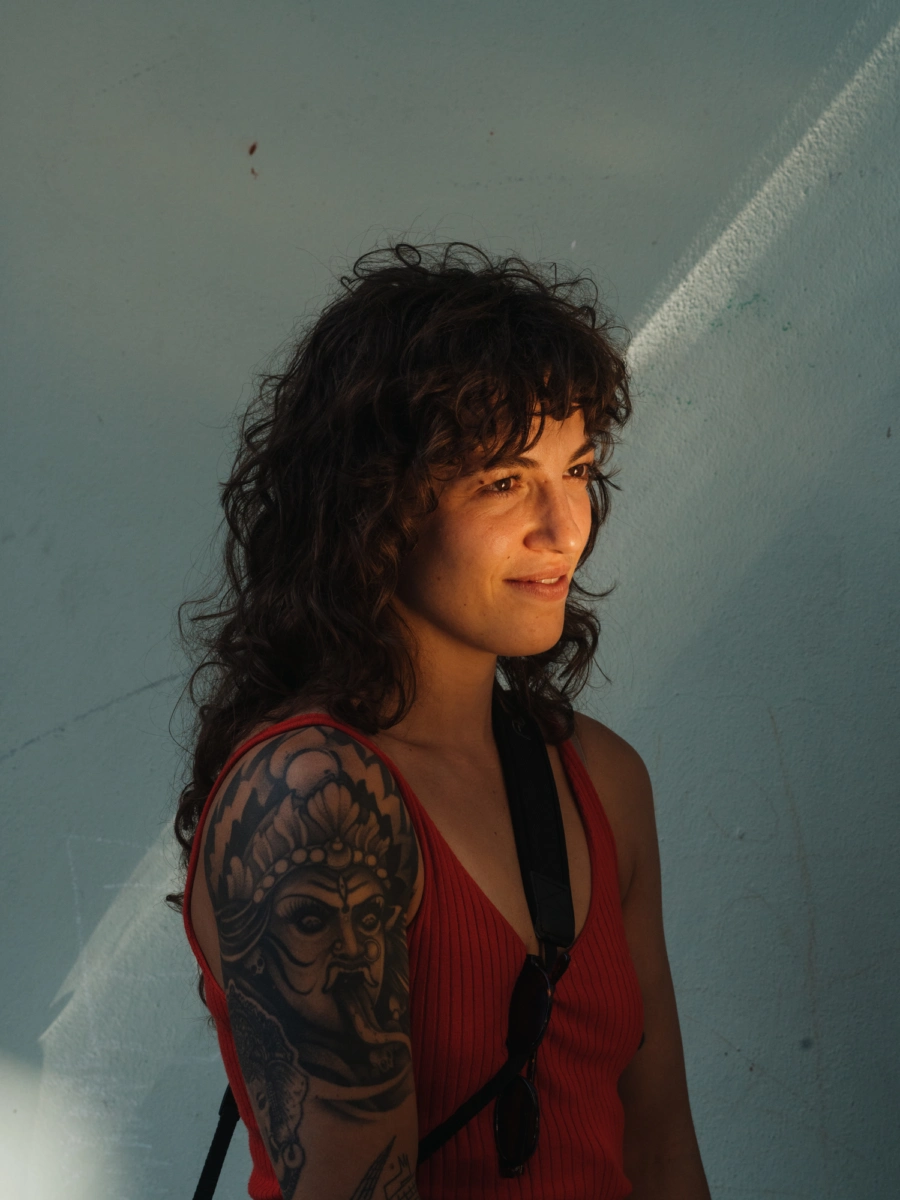
Chantal Pinzi (born 1996) is an Italian photojournalist and activist. She lives and works in Berlin. In 2020, she completed her Bachelor’s degree in Photography at the University of Applied Sciences Europe in Berlin. Her documentary work explores resilience, social inequalities and the realities of women’s lives. Her work has been recognised at events including the 2025 Sony World Photography Awards and the 2024 Xposure Festival. In 2026, she won the World Press Photo Contest in the Africa – Stories category with ‘Farīsāt: Gunpowder’s Daughters’.